
Regional vs OTR Trucking: Choosing the Lifestyle that Fits Your Life
For truck drivers, deciding between regional and OTR (Over the Road) trucking is one of the biggest calls you’ll make in your truck driving career. Both OTR and regional truck driving are vital to the transportation industry, but they lead to entirely different day-to-day lives, schedules, and long-term trade-offs.
Understanding the difference between OTR and regional roles helps drivers pick trucking jobs that actually fit real life – family, health, routines, and all.
What Is OTR Trucking?
OTR trucking, often called over the road trucking, is built around long-haul freight that runs across multiple states and often cross-country. Many OTR drivers and truckers spend extended periods away from home, usually two to three weeks out, followed by a few days at home before heading back out again. That schedule works for some, but it can be tough, especially if you’ve got family commitments or prefer a regular routine.
Here’s what OTR truck driving usually looks like in real life:
- Driving semi trucks and tractor trailers
- Running routes based on customer needs, not personal preference
- Expect long distances, long hours, and fewer routine stops
- A lot of time alone in the truck which many OTR drivers find emotionally challenging
- Irregular sleep patterns due to long-haul schedules
All OTR truck drivers need to hold a Class A CDL, complete proper training and follow strict safety regulations set by government agencies.
OTR work also tends to be more varied. Many OTR drivers haul a wide mix of freight including:
- Consumer goods
- Automotive parts
- Construction materials
- Hazardous materials, if you have a hazmat endorsement
Because OTR freight moves nationwide, OTR drivers usually have limited control over specific routes, as destinations are driven by shipping requirements.
What Is Regional Trucking?
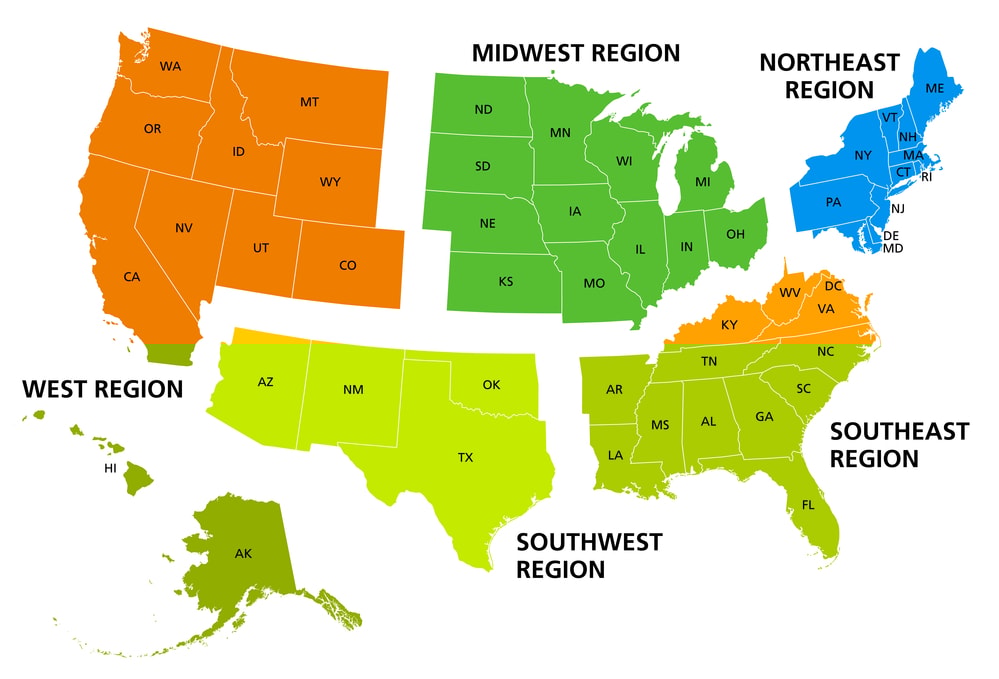
Regional trucking keeps drivers closer to home by operating within a specific geographic region, often covering 4-5 states and generally staying within a 1,000-mile range.
Most regional truck drivers:
- Drive 4 to 6 days in a row, then spend a few days at home
- Operate in a local area or specific region
- Are home weekly or on weekends
- Run familiar regional routes, often serving the same customer regularly
Daily mileage is usually shorter, often 100 to 500 miles per day, with more frequent stops, more city driving, and a more predictable rhythm compared to OTR.
A lot of regional driving means:
- A consistent schedule and routine
- Familiar docks, shipping teams and delivery points
- More opportunities for building relationships over time
Some regional trucking jobs involve more manual labor, such as loading or unloading freight, that’s less common in OTR roles, but more typical in local or regional trucking and local routes.
The Main Difference Between OTR and Regional Trucking
The main difference between OTR and regional trucking isn’t just the miles, it’s how structured your life is going to be.
OTR Trucking
- Long-haul routes that take you across multiple states or even across the country
- Extended periods away from home (often 2-3 weeks at a time)
- Less predictable schedules and routes
- More independence and variety
- Often associated with higher pay
Regional Trucking
- Operates within a specific geographic region
- Shorter daily distances and more frequent stops
- A predictable schedule and familiar specific routes
- Home more often, supporting better work-life balance
Both regional and OTR drivers move the same freight, but the lifestyle impact is where the real key differences come in.

Work-Life Balance and Lifestyle Impact
If work-life balance is what matters most to you, then regional truck driving is usually the better fit. Being home more consistently makes it easier to maintain a healthy lifestyle, keep medical appointments and stay connected with family.
On the other hand, OTR driving offers a more independent and adventurous feel. Many experienced drivers, single drivers or empty nesters prefer OTR because they enjoy long stretches on the road and the freedom that comes with over the road trucking. That being said, OTR life can be tougher on your routines – especially when it comes to sticking to a regular exercise routine, eating well, and keeping an eye on your long-term health.
Freight Types and Job Responsibilities
As it happens, regional drivers and OTR drivers both haul a wide range of freight, including:
- Consumer goods – things you & your family use every day
- Automotive parts – because trucks need tires too
- Construction materials – to get all those buildings up
- Hazardous materials (with the right endorsements of course)
Some regional truck driving jobs will involve getting your hands dirty doing manual labor, while others will be a lot more about driving than physical handling. OTR trucking on the other hand typically means longer drive times with less physical demands.
Pay, Earnings, and Career Options
Pay varies a lot, depending on your experience, what kind of endorsements you’ve got, and what kind of freight you’re carrying.
- OTR truck drivers generally earn higher average salaries
- In 2025, OTR drivers can expect to take home around $81,820 per year
- Regional pay can range from $39,500 up to nearly $100,000 with the top earners at the high end
- Specializing in hazardous materials or reefer freight can really boost your pay in both tracks
If you’re a new driver, starting with local driving, regional driving, or local trucking is often the best way to get some experience before moving on into OTR roles.

Choosing Between Regional and OTR Driving
When trying to decide between regional and OTR, ask yourself:
- What kind of home time do you really want or need?
- How well can you handle being on the road for extended periods?
- Do you prefer a predictable schedule or a bit more variety?
- Are family commitments a major factor in your decision right now?
Both paths offer solid career options, but they really require very different lifestyles.
Key Takeaways
- OTR trucking is all about long-haul, multi-state freight with weeks spent away from home
- Regional trucking focuses on defined regions, shorter distances and a more consistent routine
- OTR roles often come with higher earning potential
- Regional roles offer a better work life balance and more predictability
- In the end, the right choice depends on what matters most to you – not just the paycheck.
Having a clear picture of regional vs OTR trucking just makes it easier to choose a path that works for your life – whether that’s staying on the road or building something a bit more stable closer to home.