
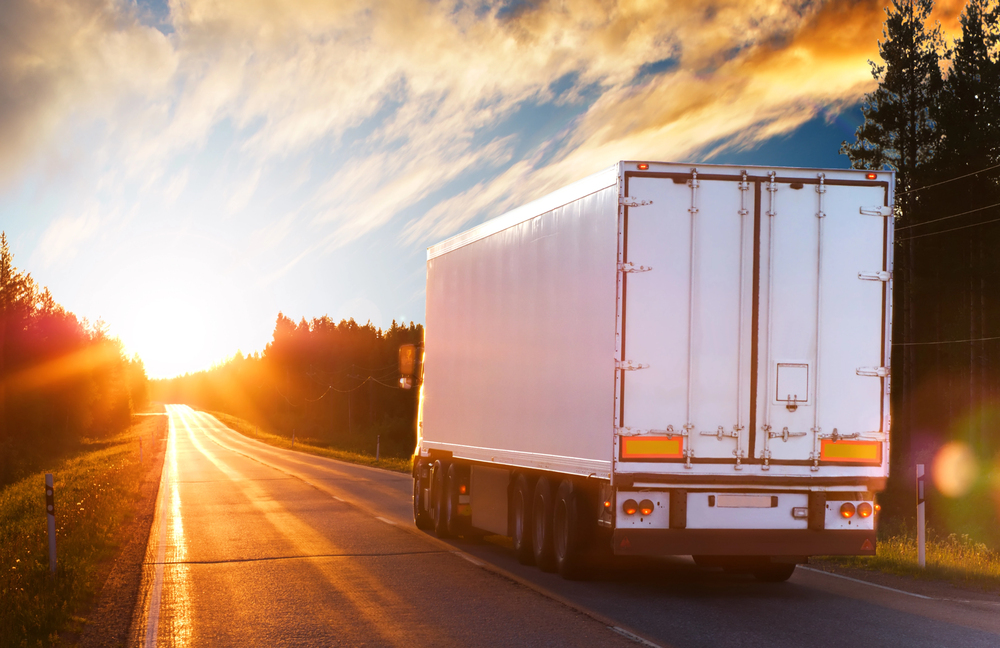
Full truckload shipping, often referred to as FTL shipping, is a freight shipping method where one single shipment occupies an entire truck or entire trailer from pickup to the final destination. There are no other shipments, no other shippers, and no shared truckload handling along the way.
Because the only freight on board belongs to one shipper, full truckload freight moves from origin to delivery destination on the same trailer. This gives shippers more control over the shipping process and makes FTL a common choice for companies shipping large quantities, managing time-sensitive shipments, or moving freight that requires specialized equipment.
What Is Full Truckload (FTL) Shipping?
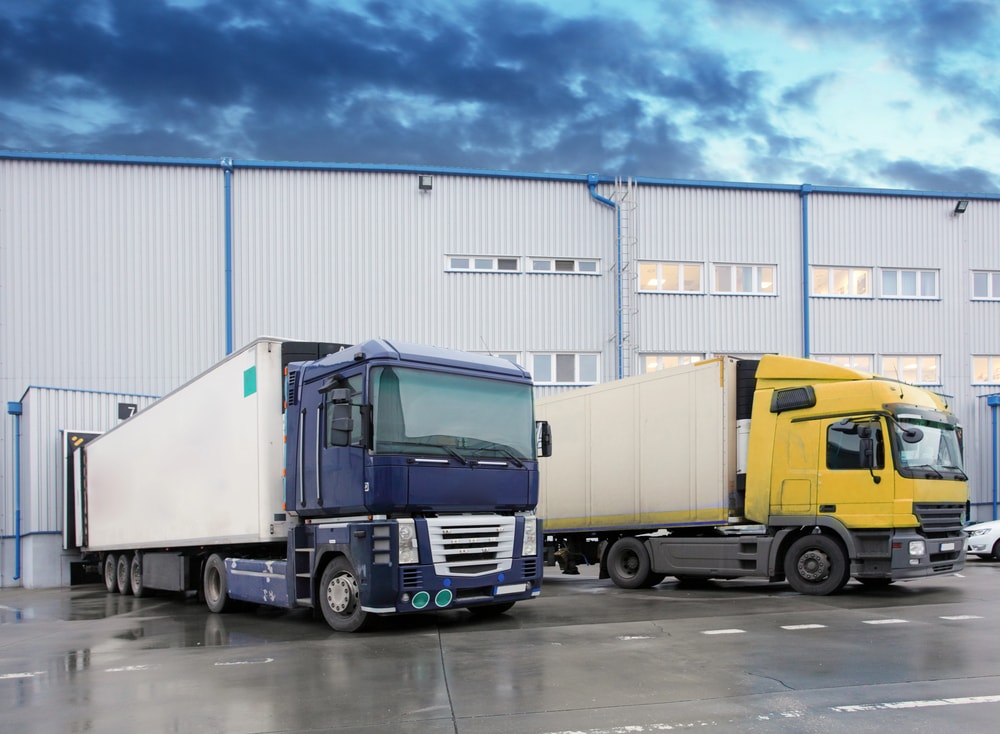
A full truckload shipment means a shipper books the entire truck, even if the shipment is only a few pallets. What matters is not how full the trailer is, but that the shipment occupies dedicated truck space and remains the only shipment throughout transit.
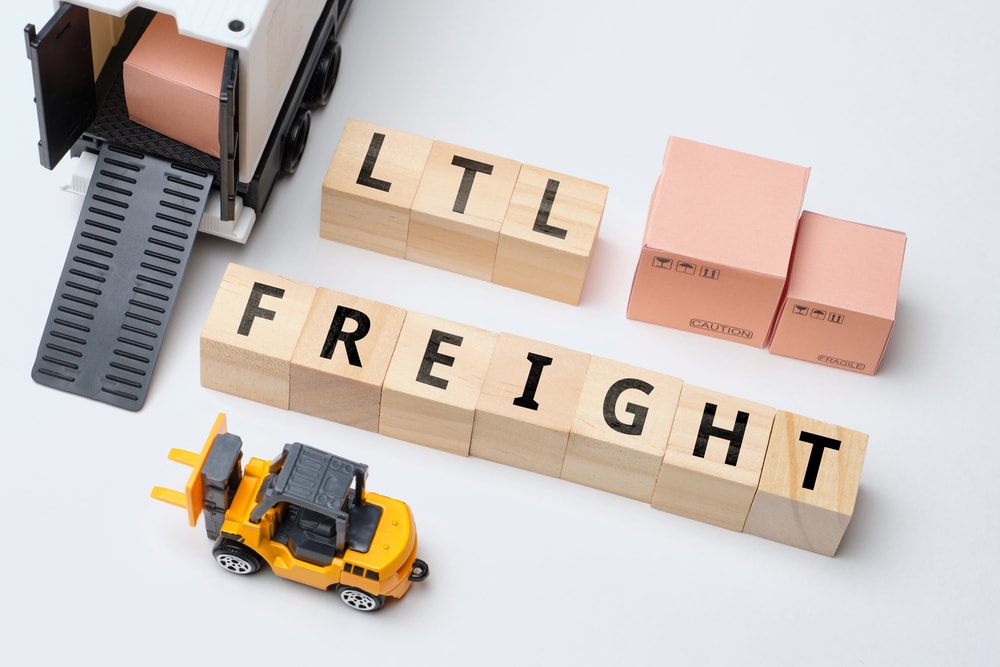
This differs from less-than-truckload (LTL) shipping, where multiple LTL shipments from other shippers share space on the same truckload. With LTL shipping, freight often moves through terminals, experiences multiple stops, and faces a higher risk of delays due to consolidation and handling.
FTL shipping is often the right shipping method when:
- Shipment size is large or heavy
- Shipping large quantities or large volumes
- Freight is high-value, fragile, or hazardous materials
- Faster delivery times are required
- Reducing handoffs and risk matters
Most FTL shipments have a minimum shipment size, typically around 10,000 pounds, which can make full truckload freight impractical for smaller shipments or smaller loads.
How the Full Truckload Shipping Process Works
The FTL transportation process is direct and efficient:
- Freight is loaded onto a truck or dry van
- The entire trailer is sealed for a single shipment
- The truckload shipment moves directly toward the delivery destination
- Freight is unloaded at the final destination
Because FTL shipments are not combined with other shipments, freight is transported efficiently with fewer disruptions. This direct shipping method helps keep supply chain operations predictable and reduces risk during freight shipping.
Full Truckload vs. LTL Shipping
Understanding FTL and LTL helps shippers choose the most cost-effective option for their shipping needs.
LTL Shipping (Less Than Truckload)
- Freight shares space with other shippers
- Multiple stops and terminal handling
- Higher chance of delays or damage
- Best suited for smaller shipments
Full Truckload Shipping
- One shipment uses the full truck
- Freight stays on the same trailer
- No shared truckload handling
- Fewer stops and faster delivery
If a shipment is too large for a box truck, involves large shipments, or cannot risk terminal delays, truckload freight services are often the better logistics solution.
When Full Truckload Shipping Makes the Most Sense
Full truckload freight is commonly used when shipment volume, sensitivity, or timing exceeds what LTL shipping can reliably support.
FTL shipping is frequently used to:
- Support tight production schedules
- Deliver construction materials directly to job sites
- Transport freight that must arrive without interruption
- Handle time-sensitive shipments
- Move large quantities without consolidation
Industries that regularly rely on full truckload shipping include:
- Automotive
- Construction
- Manufacturing
- Food and beverage
- Agriculture
- E-commerce
- Oil and gas
- Telecommunications
- Aviation and aerospace
These industries depend on truckload carriers because shipment integrity, delivery times, and control outweigh the benefits of shared truckload space.
Trailer and Equipment Options for FTL Freight
Full truckload freight allows shippers to select equipment based on cargo requirements, offering more customized solutions than shared freight options.
Common FTL equipment includes:
- Dry van trailers for standard freight
- Refrigerated trailers for temperature-controlled goods
- Flatbeds for oversized loads and construction materials
- Tankers for liquid freight
- Specialized equipment for regulated or sensitive cargo
FTL also allows shippers to specify trailer conditions, such as temperature control, which is critical for certain shipping needs.
Weight, Capacity, and Cost Considerations
A standard truckload shipment can typically haul 42,000 to 44,000 pounds, depending on equipment and regulations.
While full truckload transportation often costs more upfront than LTL shipping, it can be a cost-effective option for large shipments by:
- Avoiding multiple LTL shipments
- Reducing handling-related damage
- Shortening delivery times
- Minimizing potential delays
If a shipment does not use much of the available truck space, the cost per unit may be higher than shared freight options. Once an FTL shipment is loaded, making changes—such as adding or removing freight—can be difficult or costly.
Speed, Reliability, and Real-Time Tracking
FTL shipments typically offer faster delivery because they move directly to the final destination with fewer stops.
By 2026, many truckload carriers use AI-powered tools for:
- Real time tracking
- Route optimization
- Shipment visibility across a nationwide network
A modern tracking system allows shippers to monitor freight from pickup through delivery, helping supply chain teams manage expectations and reduce uncertainty.
Choosing the Right Full Truckload Carrier
Selecting the right FTL carrier plays a major role in successful freight shipping. Shippers often look for carriers with:
- A proven track record of on-time delivery
- Competitive rates across a large network
- Strong safety and insurance standards
- Equipment capable of handling specialized freight
- Clear and consistent communication
Many truckload freight services also provide dedicated account managers or a dedicated team to support customized solutions and long-term shipping needs.
Why Full Truckload Shipping Still Matters
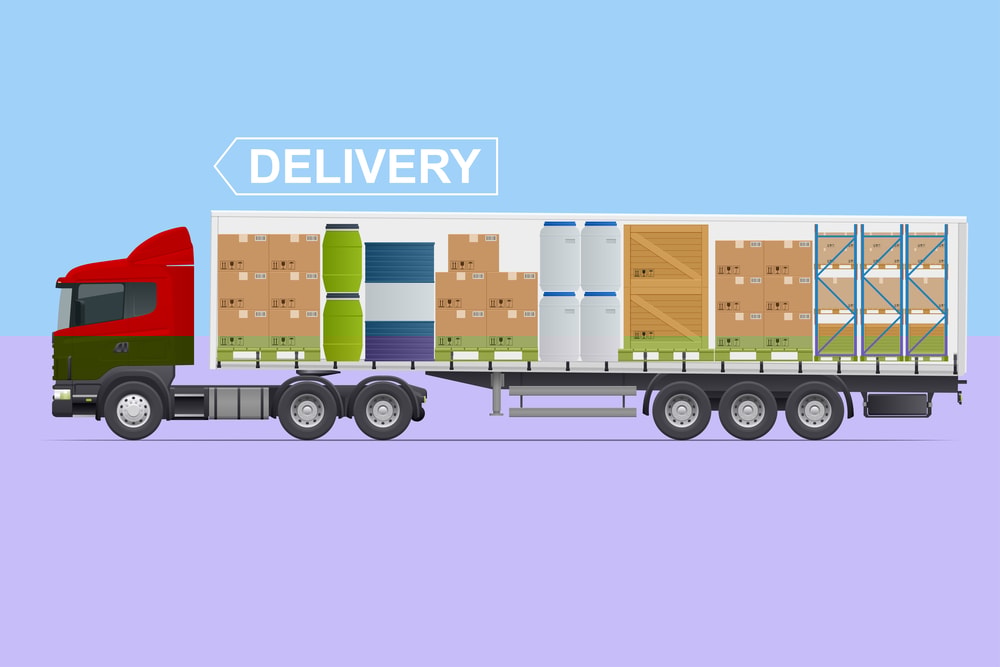
Full truckload shipping dedicates an entire truck to one shipment, reducing handling risk and giving shippers greater control over how freight moves through the supply chain.
FTL shipping is well-suited for:
- Shipping large quantities
- High-volume freight
- Time-sensitive shipments
- High-value or fragile goods
As supply chains tighten and delivery expectations rise, full truckload FTL shipping remains one of the most dependable freight shipping methods available.