
Cross-Docking is one of those logistics terms that sounds simple when you first hear it, but in reality, it’s a rather complex process that’s all about timing, communication, and execution across the entire supply chain. On paper, it’s basic enough: freight gets in, freight gets out, and there’s not a lot of time spent on storage in between. But once you get into the nitty-gritty of it, its clear that cross-docking is anything but straightforward.
At the most basic level, a cross-docking facility is designed to get freight moving as quickly as possible, without having to leave it sitting around for days or weeks in a warehouse. Unlike traditional warehousing where inventory often gets stuck for a while, cross-docking focuses on getting the freight from point A to point B in the most direct and efficient way possible, often within a matter of hours.
What Does Cross-Docking Mean in the Logistics World
Cross docking is all about reducing storage time and keeping freight moving. So what does it entail? Well, freight comes into a facility, and then gets sent straight out to the next vehicle in line, headed for its final destination. You might see the term spelled out a few different ways, cross dock, cross-dock, crossdocking, but it all means the same thing at the end of the day. The key to it all is getting the inbound and outbound flows perfectly lined up, so that freight can move with minimum fuss and no unnecessary handling.
This approach is used all over the world by logistics companies and industries where speed, accuracy, and coordination are more important than storing goods for long periods of time.
How a Cross Dock Facility Works
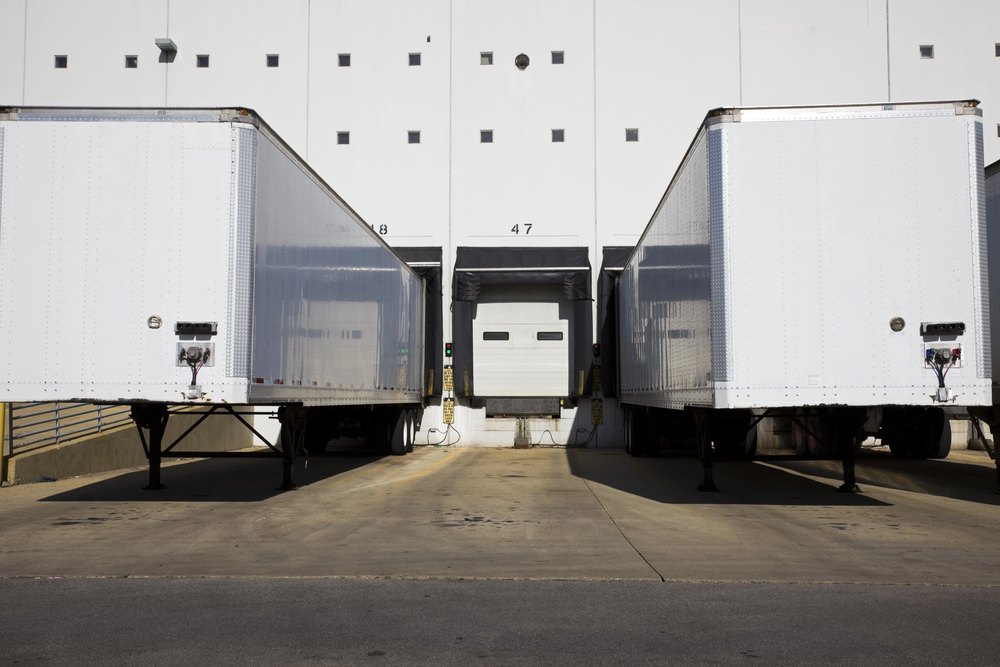
A cross dock facility looks nothing like a traditional warehouse. Instead of rows and rows of racking and storage space, the building is set up with multiple dock doors.
Here’s how the process usually works:
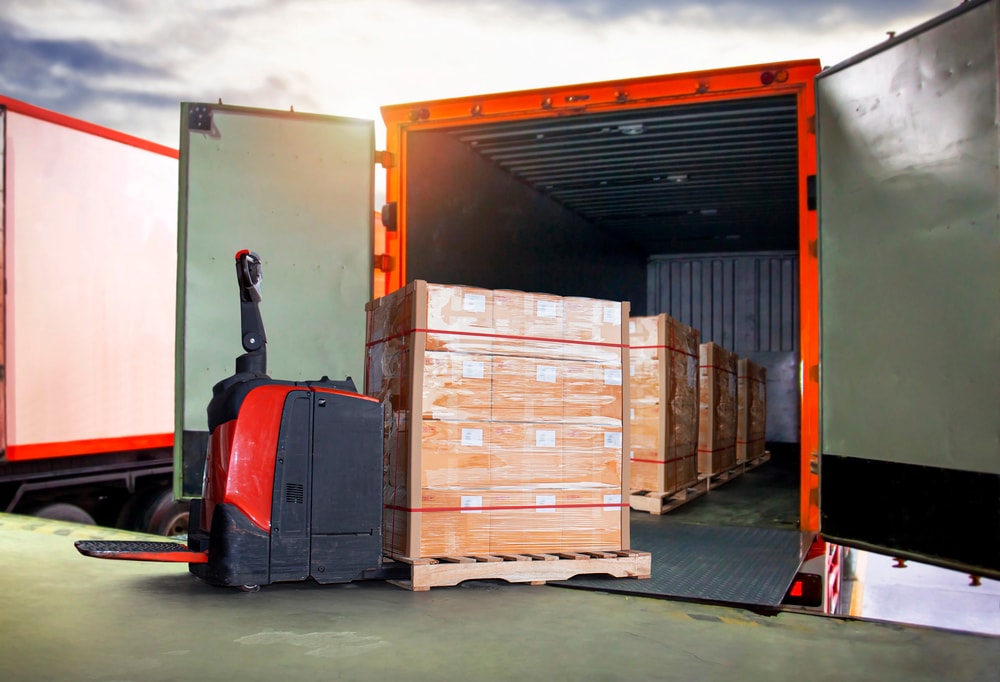
- Freight comes in on a schedule, and then gets unloaded at the receiving dock
- Shipments get sorted and staged up briefly
- Freight gets loaded onto the next truck in line at the outbound dock, and sent on its way
The idea is to keep the freight moving as much as possible, with a minimal amount of storage time in between. This design cuts down on the need for intermediate storage, which means lower inventory costs and less wasted time getting stuff from point A to point B.
Inbound and Outbound Loads
One of the key things that keeps cross-docking running smoothly is timing. If the inbound and outbound loads aren’t in sync, the whole thing comes crashing down. Missed appointments, late deliveries, or equipment issues can wreak havoc on the whole process.
Because the freight doesn’t get stored in a warehouse for weeks or months, there’s no room for error. If an inbound load is late, the whole outbound transport system can grind to a halt. This is why cross-docking can be so good for keeping costs down, but also why it introduces a fair amount of operational risk if the timing and coordination get out of whack.
In a well-run operation, the inbound and outbound flows are like clockwork, and freight moves seamlessly across the dock floor without any hiccups.
Types of Cross-Docking
There are a number of different types of cross-docking out there, each serving a slightly different purpose:
Pre-Distribution Cross-Docking
In this type of cross docking, the freight is pre-assigned to its outbound destination before it even arrives at the dock. Loads move quickly and efficiently from the inbound to the outbound, with minimal decision making required on the dock. This supports:
- Better inventory management
- Faster outbound routing
- Fewer handling steps
Post-Distribution Cross-Docking
In post distribution cross docking, the freight arrives at the dock without a specific destination in mind, and then gets sorted and assigned to its final destination on the fly. This approach allows for a bit more flexibility, but requires tighter coordination and communication between the different parties in the supply chain. You’ll often see this type of cross docking used when:
- Demand changes quickly
- Orders are finalized at the last minute
- Multiple small shipments need to get combined
Continuous Cross-Docking
Continuous cross docking is all about non-stop movement, and is often used in retail networks where the timing and volume is consistent. Freight flows through the dock in a steady rhythm, supporting rapid delivery to stores.
Why Companies Use Cross-Docking
The benefits of cross-docking are clear, especially when it’s done right:
- Lower inventory carrying costs
- Reduced storage time and needs
- Fewer touches means less manual handling and potential errors
- Improved cold chain integrity for temperature sensitive freight
- Reduced labor costs tied to put-away and picking
- Faster delivery to customers, which is what they’re coming to expect
For many supply chain partners, cross-docking is a great way to balance speed and control without having to expand warehouse space.
Cross-Docking vs Traditional Warehousing
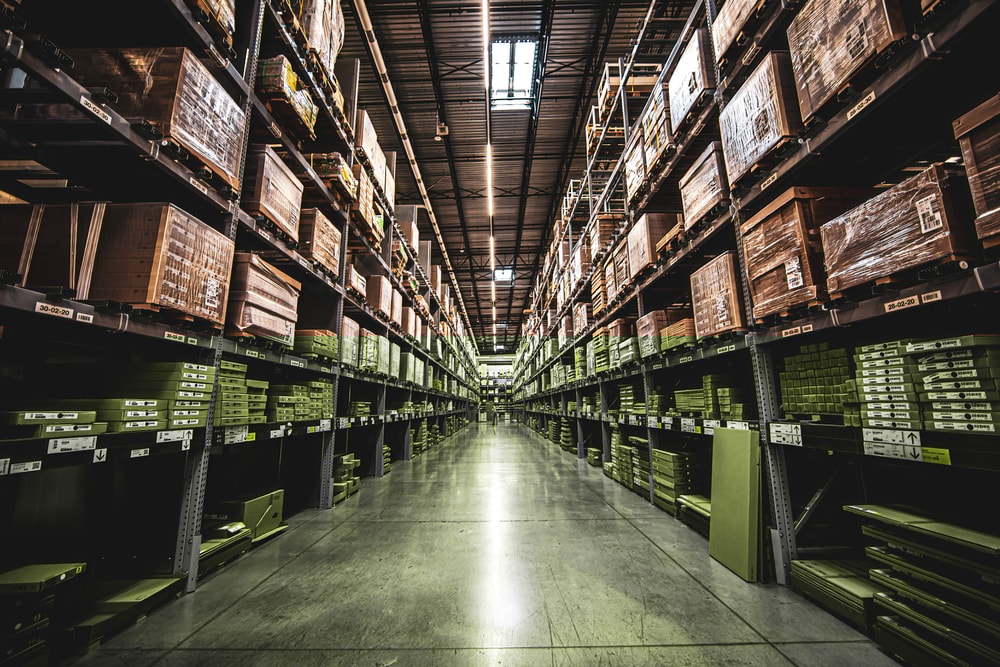
When you think of traditional warehousing, you think of freight getting received, stored, picked and then shipped out later. This approach supports inventory buffering, but comes with higher inventory costs, operational costs and the risk of excess inventory.
A cross docking warehouse, on the other hand, is all about minimizing storage and prioritizing flow. Freight is staged up briefly, if at all, and then moves through the facility as part of a broader logistics process.
Real-Life Challenges of Cross-Docking
While cross-docking might offer cost savings, it also introduces a fair amount of complexity to the operation. There’s little room for error and disruptions can create supply chain vulnerability if backup plans aren’t in place.
The key challenges include:
- Tight appointment windows
- Managing multiple suppliers and vendors
- Coordinating inbound and outbound schedules
- Tracking key performance indicators like dwell time and throughput
When things start to break down, delays can creep in and start putting a dent in shipping budgets, transportation expenses and even service quality
Cross-Docking Impacts
Cross docking has become a staple in the transportation industry, especially in the following types of networks:
- Retail stores: it helps streamline the replenishment process
- High-volume distribution centers
- Any operation that needs to move goods through a cold chain quickly
- Networks that handle lots of smaller shipments to multiple locations
In these kind of setups, cross docking can help get freight moving from point A to point B without having to go through all that extra storage hassle
When Cross-Docking Makes Sense and When It Doesn’t
Cross-docking isn’t a silver bullet, and it isn’t the right fit for every network. It works best in environments where volume is predictable, schedules are tight, and everyone involved understands that timing is non-negotiable.
When those pieces line up, cross-docking can keep freight flowing with very little friction. When they don’t, small disruptions can cascade quickly, missed appointments turn into dwell time, dwell time turns into rehandling, and suddenly the cost and speed advantages start to erode.
That’s why successful cross-docking operations tend to rely less on the concept itself and more on the discipline behind it: accurate forecasting, strong communication between inbound and outbound partners, and contingency planning for when things don’t go exactly as planned.
At its best, cross-docking is a flow strategy, not a storage strategy. And like any flow-based system, it rewards precision and punishes inconsistency.