


A truck maintenance checklist helps semi-truck drivers stay ahead of wear, unexpected breakdowns, and preventable repairs. A complete semi truck maintenance schedule should combine daily inspections with weekly, monthly, and annual service tasks.
Following a consistent truck maintenance checklist can help identify developing problems earlier, support safer operation, and keep preventive care from becoming an afterthought. While specific service intervals depend on the equipment, manufacturer recommendations, mileage, engine hours, and operating conditions, a structured routine gives drivers and fleets a reliable starting point.
Key Highlights
- A solid truck maintenance checklist helps catch small issues before they turn into expensive repairs.
- Preventive care supports driver safety, equipment reliability, and better on-road performance.
- Daily checks should cover tires, lights, cab controls, fluids, and visible equipment condition before a trip.
- Weekly and monthly inspections provide deeper reviews of brakes, steering, cooling components, tires, and other systems.
- Annual service should align with manufacturer recommendations, required inspections, and long-term fleet goals.
- Tracking service records helps improve consistency, reduce downtime, and identify recurring problems.
Why Does Routine Service Matter for Semi-Truck Drivers?
Routine service protects driver safety while helping reduce unexpected repair costs. When you follow preventive practices instead of waiting for something to fail, you have a better opportunity to identify wear, leaks, loose components, and other potential issues before they create larger problems.
For a single vehicle, regular upkeep focuses on that unit’s condition and recommended service intervals. Fleet managers need a broader program that standardizes inspections, records service history, and keeps equipment on an appropriate schedule. A preventive maintenance checklist for semi trucks creates that consistency by establishing what should be reviewed and when.
The goal is not simply to complete a truck maintenance checklist. Drivers and technicians should use each inspection to understand whether something has changed since the previous check. New noises, vibrations, leaks, warning lights, or unusual handling can provide early signs that a component needs extra attention.
How Preventive Care Improves Safety and Performance
Preventative maintenance gives drivers and technicians a routine for finding problems before they interfere with safe operation. Tires, brakes, lighting, steering, belts, hoses, and fluid levels all affect how equipment performs on the road.
Performance can also become more consistent when engine oil level, coolant levels, tire pressure, and filters are checked at appropriate intervals. Properly serviced components support safe handling and can help prevent smaller problems from affecting other systems.
Regular checks are particularly important when operating conditions change. Cold weather can affect batteries, fluids, tire pressure, and starting performance, while hot weather places additional demands on cooling components and tires. Drivers should account for weather conditions when deciding whether equipment needs extra attention beyond the normal inspection routine.
Reducing Breakdowns, Downtime, and Unexpected Repair Costs
Breakdowns often develop from smaller issues that were missed, delayed, or left unresolved. A structured service program reduces that risk by turning regular checks into a habit. Instead of relying primarily on reactive maintenance, drivers and technicians inspect critical systems on a daily, weekly, monthly, and annual basis.
Planned service can also help control repair costs. A worn hose, developing fluid leak, damaged belt, or irregular tire wear may be less disruptive when identified during a scheduled inspection than after a roadside failure.
Good documentation matters here as well. When drivers consistently report defects and technicians document completed repairs, recurring problems become easier to identify. A history of repeated tire wear, fluid loss, electrical faults, or brake concerns can help a fleet determine whether the issue requires a deeper inspection rather than another short-term repair.

Daily Pre-Trip Inspection Checklist for Semi-Trucks
A daily inspection is the foundation of smart equipment care. Your pre-trip should cover the exterior, under-hood basics, and cab before every run. This routine supports safety, catches visible damage, and can help identify defects before a roadside inspection.
Your truck maintenance checklist should be practical enough to use consistently without encouraging drivers to rush through it. Follow applicable inspection requirements and company procedures, and pay attention to anything that looks, sounds, or feels different from the previous trip.
Daily inspections do not replace scheduled shop service. Instead, they create another opportunity to identify potential issues between larger inspections.
Exterior Walk-Around and Visual Safety Checks
Start your walk-around by looking for anything new or out of place. Visual checks can reveal body damage, fluid spots, loose components, debris, tire damage, or other concerns before they develop into larger problems.
Pay close attention to tires and lighting. A flat tire, sidewall damage, embedded object, or uneven tread can affect control and stopping performance. Brake lights, headlights, turn signals, and hazard lights should function correctly before departure.
During the exterior portion of your truck maintenance checklist:
- Check tires for visible damage and adequate tread depth.
- Look for bulges, cuts, embedded objects, and unusual wear patterns.
- Check tire pressure according to appropriate procedures.
- Test brake lights, headlights, turn signals, and hazards.
- Inspect mirrors for damage and proper positioning.
- Confirm windshield wipers are in usable condition.
- Look underneath the vehicle for fresh fluid leaks.
- Check visible components for loose, damaged, or missing parts.
An exterior walk-around is also an opportunity to notice changes from the previous trip. A new fluid spot, fresh tire damage, or component sitting differently than usual deserves attention before departure.
Cab Controls and Required Safety Equipment
Once inside the cab, test the controls and equipment you depend on throughout the day. Warning indicators, braking controls, visibility, and required safety equipment should all be reviewed before the vehicle moves.
Test seat belts for proper operation and condition. Confirm the horn works, look for dashboard warning lights, and check the parking brake according to established inspection procedures. Heating and air conditioning should also function appropriately, particularly when they are needed for windshield defogging or defrosting.
Your cab review should include:
- Seat belts and buckles
- Dashboard warning indicators
- Horn
- Mirrors
- Parking brake
- Gauges
- Heating and air conditioning
- Windshield wipers and washer system
- Required emergency and safety equipment
Do not automatically dismiss a warning light because the vehicle operated normally on the previous trip. Document new warnings or changes and follow your company’s reporting procedure so the concern can be evaluated.
Engine Oil, Coolant, and Fluid Checks
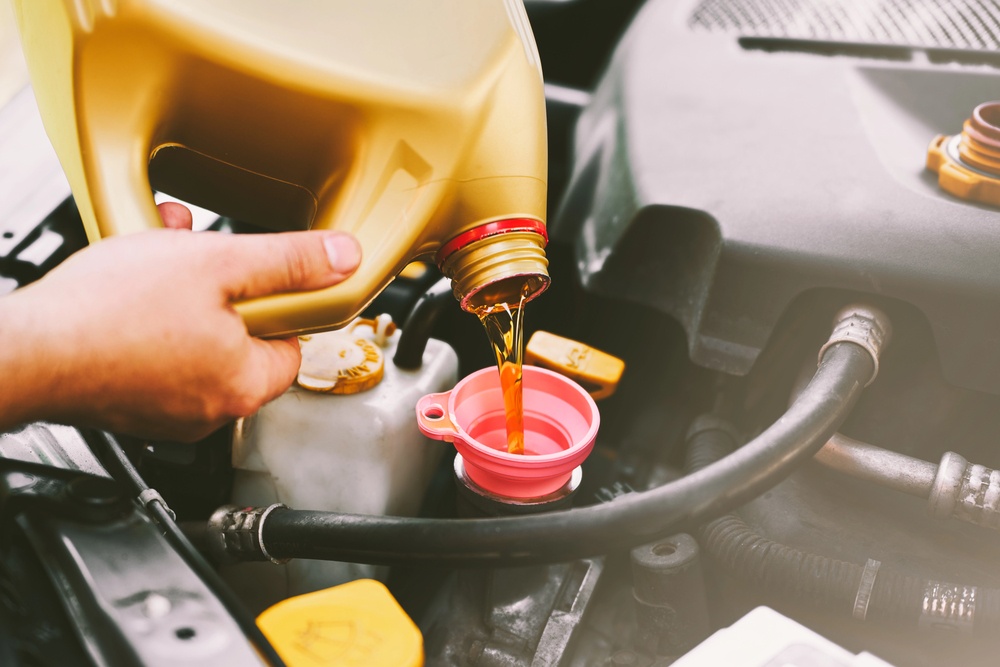
Fluid condition can provide useful information about the health of major systems. Your truck maintenance checklist should include checking the engine oil level according to the manufacturer’s procedures and looking for signs of contamination, abnormal consumption, or leaks.
The coolant system also deserves regular attention. Check coolant levels when it is safe to do so and inspect visible hoses, reservoirs, fittings, and connections for signs of leakage or deterioration. Never remove a pressurized cooling-system cap while the system is hot.
Other fluids should be checked according to the vehicle’s specifications and service schedule. Depending on the equipment, that can include power steering fluid, transmission fluid, washer fluid, and other applicable fluids.
When reviewing fluids:
- Check the engine oil level.
- Inspect for fresh oil leaks.
- Review coolant levels and visible cooling components.
- Look for cracked, soft, swollen, or leaking hoses.
- Check applicable fluid reservoirs.
- Investigate unexplained changes in any fluid level.
- Document recurring leaks or consumption.
A single low reading may require correction, but repeated fluid loss can signal a larger problem. Recording those changes gives technicians more information when diagnosing the source.
Weekly Service Checks for Long-Haul Equipment
A good semi truck maintenance schedule goes beyond the daily driver inspection. Weekly reviews give drivers, owners, and fleet teams time to look more closely at components that may require a gauge, additional access, or a more detailed visual inspection.
Adding weekly tasks to your truck maintenance checklist helps bridge the gap between pre-trip inspections and larger service appointments. They are also useful for identifying gradual changes that can be difficult to notice from one day to the next.
Use manufacturer recommendations, company procedures, mileage, engine hours, operating environment, and equipment condition to determine when additional service is required.
Tire Pressure, Tread Depth, and Tire Condition
Tires deserve more than a quick glance. Regular pressure checks should use an appropriate gauge rather than relying only on appearance. Correct inflation supports handling, tire life, and consistent performance.
Measure tread depth as required and inspect the entire visible tire for cuts, bulges, cracks, punctures, embedded objects, or other damage. Uneven wear patterns can point to alignment, suspension, inflation, or other mechanical concerns.
Pay attention to differences between tires as well. One tire repeatedly losing pressure or wearing differently from the others deserves investigation rather than repeated inflation alone.
Include these items in your truck maintenance checklist:
- Measured tire pressure
- Tread depth
- Cuts, cracks, and bulges
- Embedded objects
- Uneven wear
- Valve condition
- General wheel condition
- Spare tire condition and pressure, if equipped
Tire inspections become especially important during changing weather conditions. Temperature shifts can affect inflation pressure, while heat and extended highway operation place additional stress on tires.
Belts, Hoses, Air Filters, and Cooling Components
Weekly inspections are a good opportunity to look beyond fluid levels and examine the components that support engine operation. Belts and hoses can deteriorate gradually, so look for cracking, fraying, glazing, swelling, soft spots, or leaks.
The air filter should be serviced according to manufacturer recommendations and operating conditions. Excessive restriction or contamination can affect engine performance, making filter condition an important part of scheduled service.
Review the coolant system for visible leaks, hose condition, reservoir condition, and other signs of deterioration. If coolant levels repeatedly drop after being corrected, report the issue rather than continuing to top off the system without identifying the cause.
Check:
- Belt condition and tension where applicable
- Hoses and connections
- Air filter condition or restriction indicators
- Cooling-system components
- Visible fluid leaks
- Reservoirs and caps
- Signs of rubbing or chafing
- Unusual noises around engine-driven accessories
Drivers do not need to diagnose every problem themselves. The purpose of these checks is to recognize changes early and get the appropriate technician involved when needed.
Monthly Semi Truck Maintenance Checklist Tasks
Monthly inspections take your truck maintenance checklist a step further. These reviews may require shop tools, specialized knowledge, or access to components that drivers cannot fully inspect during normal pre-trip checks.
The exact interval should be based on the vehicle and operating environment rather than the calendar alone. Mileage, engine hours, duty cycle, manufacturer recommendations, and previous inspection results can all affect when deeper service is needed.
Whether your fleet uses paper forms or fleet maintenance software, inspection records should clearly identify what was checked, what defects were found, and what corrective action followed.
Brake System Inspection and Air Brake Components
A detailed brake system inspection goes beyond checking pedal feel or performing basic driver tests. Qualified personnel should examine applicable brake components for wear, damage, adjustment concerns, leaks, or other conditions that could affect braking performance.
Brake pads or linings, drums or rotors where applicable, hoses, lines, chambers, and other components should receive appropriate attention based on the braking system and manufacturer guidance. An air brake system also requires checks specific to its design and applicable inspection procedures.
The brake portion of your truck maintenance checklist may include:
- Brake pads or linings and wear condition
- Drums or rotors where applicable
- Hoses and lines
- Air-system components
- Parking brake operation
- Visible leaks or damage
- Applicable warning devices
- Signs of uneven braking or abnormal wear
Any change in stopping behavior, unusual noise, warning indicator, or suspected brake malfunction should receive prompt attention. Brake concerns should not be delayed until the next routine service interval when there is a potential safety issue.
Steering, Suspension, and Fifth Wheel Inspection
Steering and suspension systems influence stability, handling, ride quality, and tire wear. Components can loosen or deteriorate gradually, which makes periodic inspection important even when the vehicle still feels normal during everyday driving.
Inspect applicable steering linkage, joints, mounting points, shocks, springs, and other suspension components for wear, looseness, damage, or leaks. Changes in steering feel, pulling, vibration, or uneven tire wear can indicate potential issues requiring further evaluation.
The fifth wheel also needs appropriate inspection and lubrication. Check its condition, mounting, locking components, and movement according to manufacturer procedures and company policy. Because the coupling system is critical to safe operation, damage or abnormal operation requires immediate attention.
A detailed truck maintenance checklist should consider:
- Steering linkage and joints
- Excessive steering play
- Shocks and mounting points
- Springs and suspension components
- Wheel-end concerns
- Fifth wheel condition
- Mounting and locking components
- Required lubrication
Drivers should report handling changes rather than simply adapting to them. Gradual deterioration can become easy to overlook when someone operates the same vehicle every day.
Electrical System, Batteries, and Exterior Lighting
Electrical problems often begin as intermittent or seemingly minor issues before becoming larger failures. Periodic electrical checks can help identify weak connections, battery problems, damaged wiring, or charging concerns.
Inspect battery terminals for corrosion and visible damage. Wiring should be checked for chafing, loose connections, exposed conductors, or other deterioration in accessible areas. Charging-system performance should be evaluated when symptoms suggest a problem or as required by the service program.
Exterior lighting deserves continued attention beyond the daily inspection. Brake lights, headlights, markers, and turn signals need to remain functional and visible.
Recurring electrical problems should be documented. If the same light, circuit, battery, or connection repeatedly requires repair, service records can help technicians recognize a pattern instead of treating each occurrence as an unrelated failure.
Annual Semi Truck Maintenance Checklist and Service
Annual service provides an opportunity to use a more comprehensive truck maintenance checklist covering major systems, records, and upcoming service needs. For commercial vehicles, annual work should align with applicable inspection requirements, manufacturer recommendations, and the fleet’s established service program.
This is also a useful point to review the vehicle’s history. Recurring defects, repeated repairs, fluid consumption, and abnormal tire wear can provide information about components that deserve additional attention.
An annual semi truck preventive maintenance checklist should address the engine, drivetrain, brakes, steering, suspension, cooling system, chassis, coupling components, electrical system, and other equipment relevant to the specific unit.
Engine, Transmission, and Filter Service Requirements
Engine and transmission service should follow the appropriate combination of mileage, calendar time, engine hours, operating conditions, and manufacturer recommendations. There is no single universal interval that applies to every commercial vehicle.
Oil changes and filter replacement should be performed according to the applicable service schedule. Along with the oil filter, inspect or replace the air filter and fuel filters when required. Review transmission fluid and filter requirements based on the specific drivetrain.
Diesel-specific components may also require scheduled inspections or service. Diesel particulate filter condition, aftertreatment-system warnings, and recurring regeneration problems should be addressed according to manufacturer procedures.
This portion of the truck maintenance checklist may include:
- Engine oil and filter service
- Air filter inspection or replacement
- Fuel filter service
- Transmission fluid and filter review
- Cooling-system inspection
- Engine-hour and mileage review
- Aftertreatment-system evaluation
- Review of previous service records
Service history is particularly useful when planning future work. Instead of looking only at what is due today, technicians can identify components approaching their recommended intervals and reduce the chance of missing upcoming service needs.
Chassis, Frame, Exhaust, and Coupling Components
The chassis and frame support the vehicle’s structure and operating loads, so periodic inspections should look for cracks, corrosion, damaged mounting points, loose components, or other structural concerns.
Inspect the exhaust system for damaged pipes, weak hangers, loose mounts, leaks, or visible deterioration. Aftertreatment components and mounting hardware should also be reviewed where applicable.
Coupling components deserve the same level of attention. Inspect the fifth wheel and related mounting areas for damage, excessive movement, wear, and proper lubrication. Follow manufacturer procedures for inspecting locking components and other coupling-related parts.
Areas exposed to road debris, moisture, salt, and severe weather may require extra attention. Document structural concerns early so they can be evaluated before deterioration becomes more extensive.
Building an Effective Preventive Service Schedule
The best truck maintenance checklist is one that is practical, repeatable, and appropriate for the equipment being operated. Daily, weekly, monthly, and annual categories are useful for organization, but they should not replace manufacturer-specific service requirements.
Build the schedule around the vehicles in your fleet and how they are actually used. Long-haul tractors, refrigerated equipment, local units, and vehicles operating in severe conditions may have different service needs.
Consider:
- Mileage
- Engine hours
- Calendar time
- Manufacturer recommendations
- Duty cycle
- Operating environment
- Previous repair history
- Recurring inspection findings
There are also different types of maintenance activities within a fleet program. Preventive service aims to address predictable wear and scheduled needs before failure, while corrective work addresses defects already identified. Condition-based approaches use inspection findings or equipment data to determine when additional attention is needed.
A useful truck maintenance checklist should also establish what happens after a driver reports a defect. Clear responsibilities, repair priorities, documentation standards, and follow-up procedures prevent inspection findings from getting lost between the driver and shop.
Tracking Service Records, Work Orders, and KPIs
Good records make a truck maintenance checklist more valuable. Inspection findings, completed repairs, recurring defects, and scheduled service should be documented so drivers, technicians, and fleet managers can see what has happened over time.
Fleet maintenance software can simplify this process by storing records, tracking service intervals, creating work orders, and helping teams identify overdue tasks. Digital records can also make it easier to review recurring problems across an individual unit or a larger fleet.
Useful performance indicators may include:
- Unplanned downtime by unit
- Emergency repairs versus planned service
- Repair costs over time
- On-time completion of scheduled service
- Repeat defects found during inspections
- Roadside events related to mechanical defects
- Frequency of unscheduled shop visits
KPIs should help the fleet identify trends and improve its processes rather than simply create more reporting. If the same component repeatedly fails across several units, the data may point to an inspection, operating, specification, or service issue worth investigating.
Keep Your Semi Ready for the Road
Consistent preventive care plays an important role in keeping a semi safe, reliable, and ready for the road. Following a structured truck maintenance checklist makes it easier to identify developing problems, stay ahead of scheduled service, and reduce the likelihood of unexpected breakdowns.
Daily pre-trip checks provide the first layer of protection, while weekly and monthly reviews give key components a closer look. More comprehensive annual service helps ensure major systems, service records, and long-term equipment needs receive appropriate attention.
The right schedule ultimately depends on the vehicle, manufacturer recommendations, operating conditions, mileage, engine hours, and service history. Keep your truck maintenance checklist consistent, document what you find, and adjust the schedule when inspection data shows that a component or system needs more frequent attention.