
What Is No Touch Freight in Trucking?
No touch freight means the person transporting the shipment generally isn’t responsible for physically loading or unloading the cargo. Shipper, receiver, or warehouse workers handle the product while the trucker remains responsible for safe delivery.
For drivers, this removes the responsibility of physically handling the cargo. That can reduce some of the physical demands that come with loading and unloading and allows the driver to stay focused on safely getting the load from pickup to delivery.
No Touch vs. Touch Freight
The biggest difference between these two types of trucking operations is who handles the cargo.
|
Feature |
No Touch |
Touch |
|---|---|---|
|
Who handles the cargo? |
Shipper, receiver, or warehouse personnel |
Trucker may assist with or perform loading/unloading |
|
Physical labor |
Limited |
Can include lifting, moving, or unloading cargo |
|
Common setup |
Live load/unload or drop and hook |
Often live load/unload or multi-stop delivery |
|
Primary role |
Transporting the shipment |
Transportation plus cargo handling |
This distinction matters when comparing jobs or load assignments. Some touch freight roles can involve considerably more physical work throughout the day, including heavy lifting, while non-handling loads keep responsibilities centered primarily on transportation.
What Is Drop and Hook Freight?
Drop and hook freight is an operation where a trucker leaves one trailer at a facility and connects to another that’s ready to move. Instead of waiting for the original equipment to be loaded or unloaded, the swap is completed and the route continues.
This setup is common at facilities with enough trailer capacity to load and unload equipment separately from a truck’s arrival.
Drop and Hook Meaning for Truck Drivers
Drop and hook is exactly what it sounds like: leave the current trailer in the designated warehouse lot, connect to the next one, complete the required inspections and paperwork, and get back on the road.
The main benefit compared with a live load or unload is that the truck usually doesn’t have to remain at the loading dock while the current trailer is being worked. When everything is ready, that can mean a faster process and less waiting time.
That doesn’t mean every swap is immediate. The outbound equipment still needs to be ready, accessible, and safe to move.
Is Drop and Hook No Touch Freight?
Drop and hook is commonly associated with no touch freight because the person transporting the load typically isn’t responsible for handling the cargo.
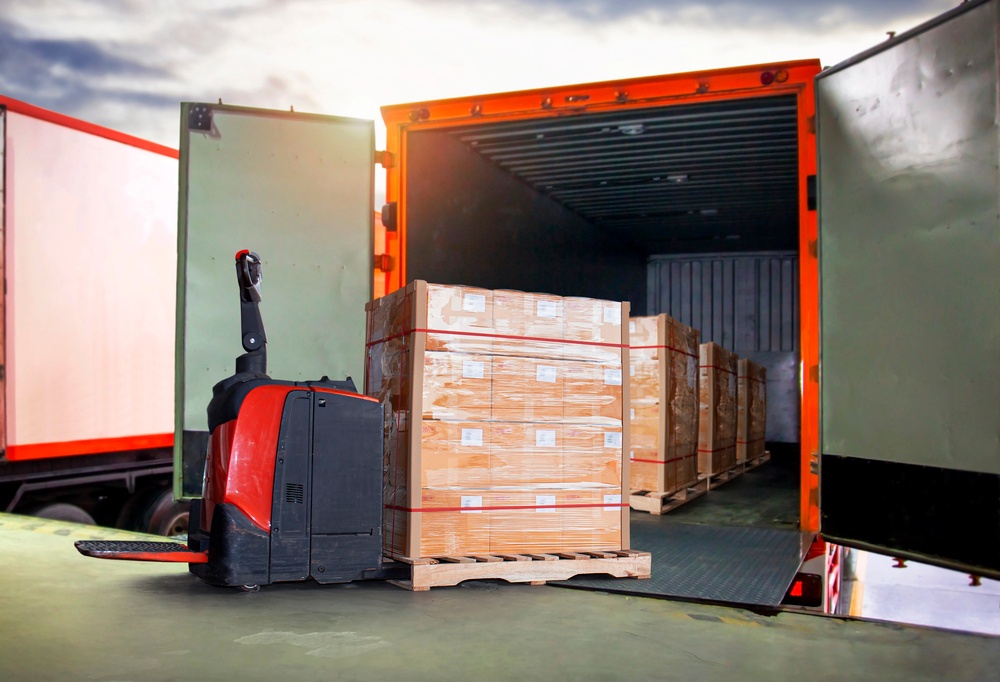
However, this type of shipment doesn’t automatically mean drop and hook. A live load or unload can work the same way when warehouse staff load or unload the cargo while the trucker waits for the process to be completed.
Drop and Hook vs. Live Unload
Both setups can remove cargo-handling responsibilities, but the experience at the facility is different.
|
Parameter |
Drop and Hook |
Live Unload |
|---|---|---|
|
What happens? |
One trailer is dropped and another is picked up |
The truck waits while the current trailer is unloaded |
|
Trucker handles cargo? |
Typically not |
Typically not for non-handling loads |
|
Trailer stays at facility? |
Yes |
Usually not |
|
Potential wait time |
Often lower |
Depends on dock availability and unloading time |
The advantage of drop and hook is that the trailer can be worked separately from the truck’s schedule. With a live unload, the truck and current equipment remain at the final facility until the process is complete.
Does No Touch Freight Mean No Waiting?
Not necessarily. A load that doesn’t require cargo handling can still involve detention.
During a live unload, the truck is dependent on the facility’s schedule, loading dock availability, and warehouse operations. Removing cargo-handling responsibilities doesn’t guarantee a quick stop.
Close communication with dispatch or the operations manager can help when equipment, paperwork, or appointment delays come up.
Benefits of No Touch Freight for Drivers
For many truckers, the biggest advantage is having fewer cargo-handling responsibilities during the workday. Potential benefits include:
- Less manual handling: Facility personnel generally handle loading and unloading.
- Reduced physical strain: Less heavy lifting can reduce some of the physical demands of the job.
- Less exposure to dock activity: There may be less need to work around forklifts and other warehouse equipment.
- Potentially quicker stops: Drop and hook operations can reduce time spent waiting at some facilities.
- More focus on driving: The primary responsibility remains safely transporting the shipment.
The actual experience still depends on the customer, route, facility, and type of freight.

What Are Drivers Responsible for on a No Touch Load?
Not physically handling cargo doesn’t remove the other responsibilities that come with the load. Depending on the operation, these can include:
- Following facility procedures and loading bay instructions.
- Safely positioning the equipment.
- Checking paperwork and seals.
- Completing required equipment inspections.
- Monitoring temperature-controlled cargo when applicable.
- Following proper safety precautions while facility personnel handle the shipment.
The person behind the wheel is still responsible for safe transportation and following company and customer procedures from pickup through delivery.
Is No Touch Freight Right for You?
For many truckers, this type of work means less time physically handling cargo and more focus on driving. That can be worth considering when comparing job listings or deciding what type of job fits your trucking career.
A live unload may still mean waiting at the receiver, while drop and hook freight may allow you to swap trailers and get moving sooner. Either way, inspections, paperwork, communication, equipment checks, and safe delivery remain part of the job.