
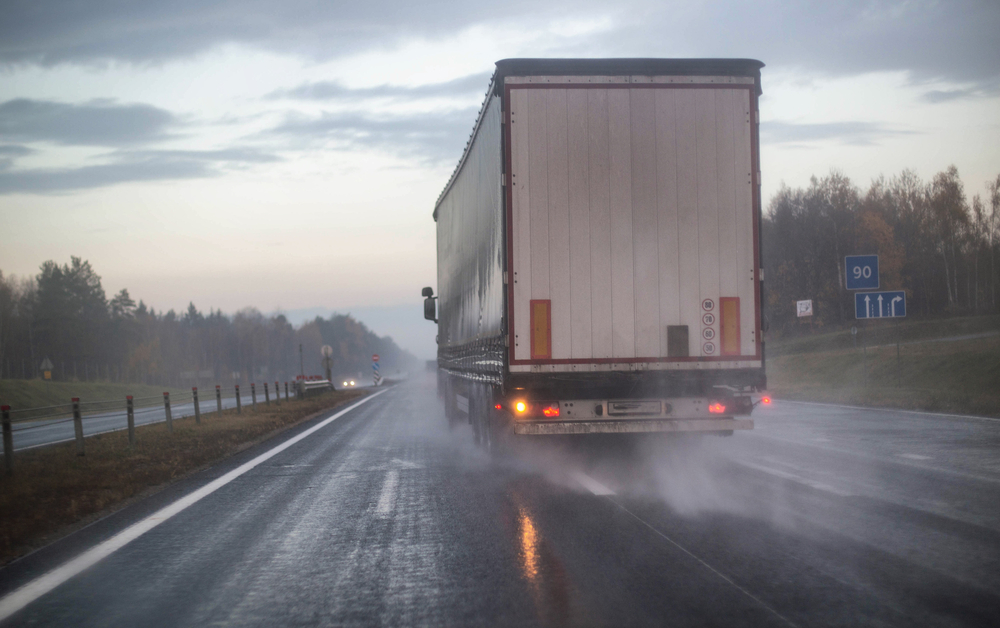
A Jake brake, or compression-release engine brake, is a braking system commonly used on heavy-duty diesel trucks to help slow the vehicle without relying entirely on the service brakes. When activated, it changes how the engine’s exhaust valves operate so the engine absorbs energy instead of producing it, helping slow the truck.
Truck drivers commonly use Jake brakes to control speed on long or steep downhill grades. Because the system helps slow the truck through the engine, it can reduce the amount of work required from the service brakes and help prevent them from overheating during extended descents.
Below, we’ll explain how a Jake brake works, when truck drivers use it, how it differs from other braking systems, and when using one may not be appropriate.
What’s a Jake Brake on a Semi-Truck?
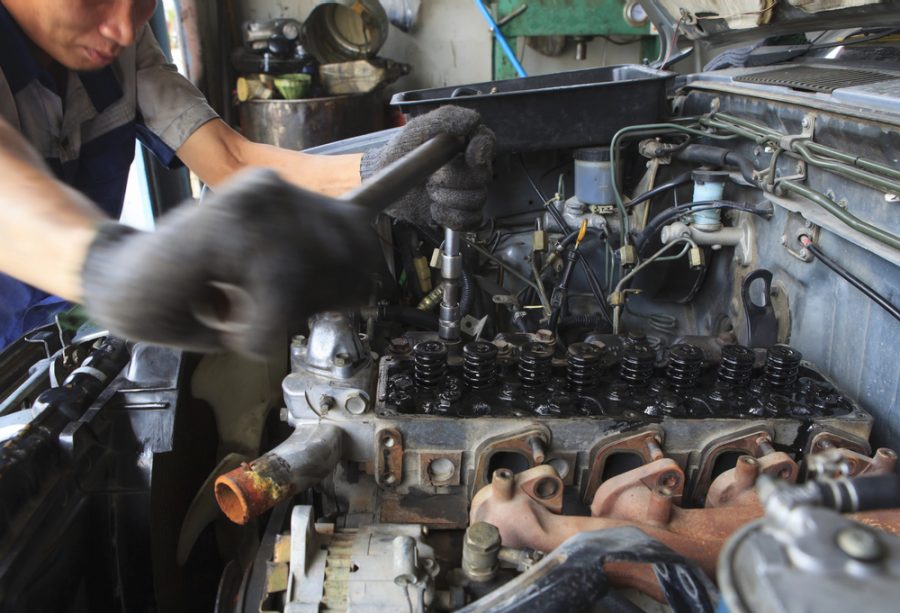
A Jake brake is a type of compression-release engine brake used on many heavy-duty diesel engines. Instead of using friction at the wheels to slow the truck, a Jake brake uses the engine itself to help reduce vehicle speed.
When the system is activated and the driver releases the accelerator, the Jake brake alters the operation of the engine’s exhaust valves near the end of the compression stroke. Releasing the compressed air prevents that stored energy from being returned to the piston, causing the engine to absorb energy and helping slow the truck.
“Jake Brake” originally refers to compression-release engine braking technology associated with Jacobs Vehicle Systems, although the term is commonly used by drivers when referring to compression-release engine brakes more generally.
How Does a Jake Brake Work?
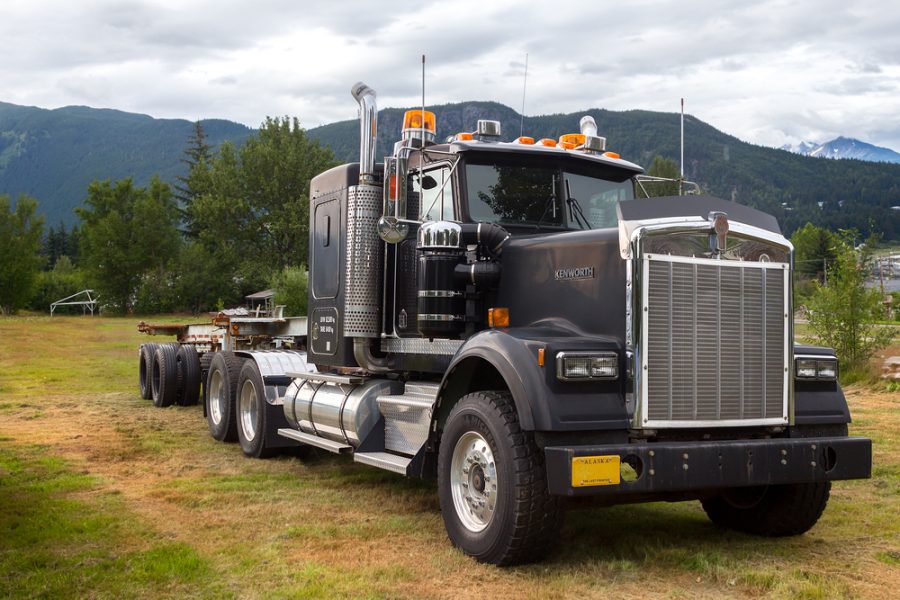
A Jake brake works by releasing compressed air from the engine cylinders near the end of the compression stroke. Normally, energy stored in that compressed air would help push the piston back down. With the Jake brake engaged, the exhaust valve opens and releases that energy instead.
This turns the engine into an energy-absorbing system rather than an energy-producing one. The resistance created through this process helps slow the engine, drivetrain, and ultimately the truck.
Because the system uses engine compression rather than friction at the wheels to provide additional braking force, it can help drivers control speed without relying exclusively on the truck’s service brakes.
Jake Brake vs Engine Brake vs Exhaust Brake
The terms Jake brake and engine brake are often used interchangeably, but they aren’t always exactly the same thing. A Jake brake is a specific type of engine braking system known as a compression-release brake.
An engine brake is a broader term for systems that use the engine to help slow a vehicle rather than relying solely on the service brakes.
An exhaust brake works differently. Instead of releasing compressed air from the cylinders, an exhaust brake restricts exhaust flow to create back pressure that helps slow the engine and vehicle.
In simple terms:
- Jake brake: Releases compressed air to create braking force.
- Engine brake: Broad category of braking systems that use the engine to slow the vehicle.
- Exhaust brake: Restricts exhaust flow to create resistance and slow the vehicle.
Why Do Truck Drivers Use Jake Brakes?
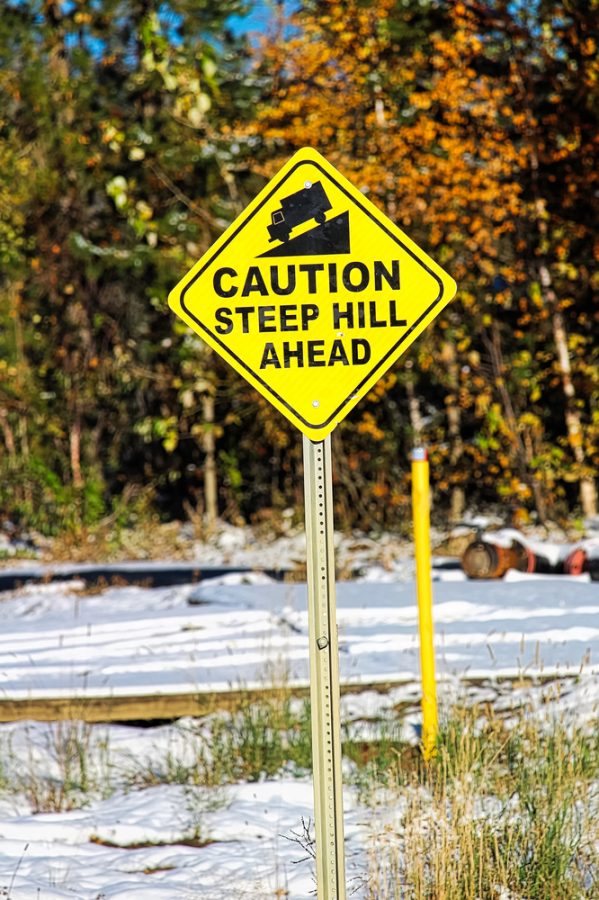
Truck drivers primarily use Jake brakes to help control vehicle speed while reducing reliance on the service brakes. They’re especially useful when driving a loaded truck down long or steep grades, where continuous use of the service brakes can generate significant heat.
Using engine braking appropriately can help drivers maintain a controlled speed, reduce heat buildup in the service brakes, and reduce wear on friction-braking components.
Jake brakes supplement the truck’s service brakes, they don’t replace them. Drivers still need to use the vehicle’s primary braking system appropriately based on speed, load, grade, road conditions, and manufacturer guidance.
When Should You Use a Jake Brake?
Jake brakes are especially useful when a truck needs controlled deceleration without relying exclusively on the service brakes. One of the most common situations is a long downhill grade, where repeated service-brake use can generate excessive heat.
Drivers should select an appropriate speed and gear before beginning a steep descent and use engine braking as appropriate for the vehicle, load, road conditions, and manufacturer recommendations.
Jake brakes should be treated as a supplemental braking system rather than a replacement for the service brakes. Drivers should always maintain enough control to slow or stop the vehicle safely using the truck’s primary braking system.
When Should You Not Use a Jake Brake?
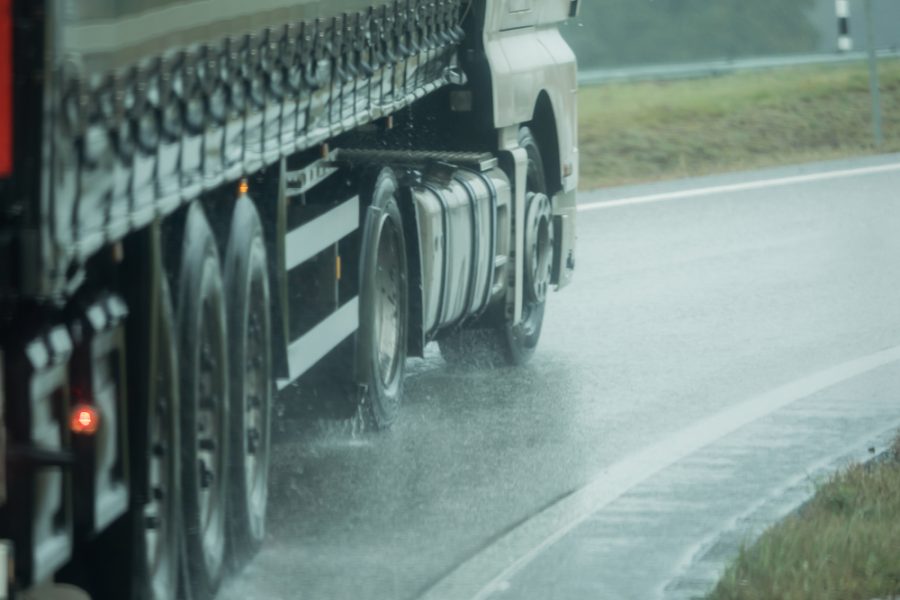
Drivers should use additional caution with engine braking when traction is limited. Wet, icy, snowy, or otherwise slippery road conditions can change how a truck responds to braking forces, particularly if engine braking is applied aggressively.
Drivers should follow their company’s safety procedures, vehicle and engine manufacturer guidance, and posted road restrictions when deciding whether and how to use a Jake brake.

Why Do Some Areas Have “No Jake Brake” Signs?
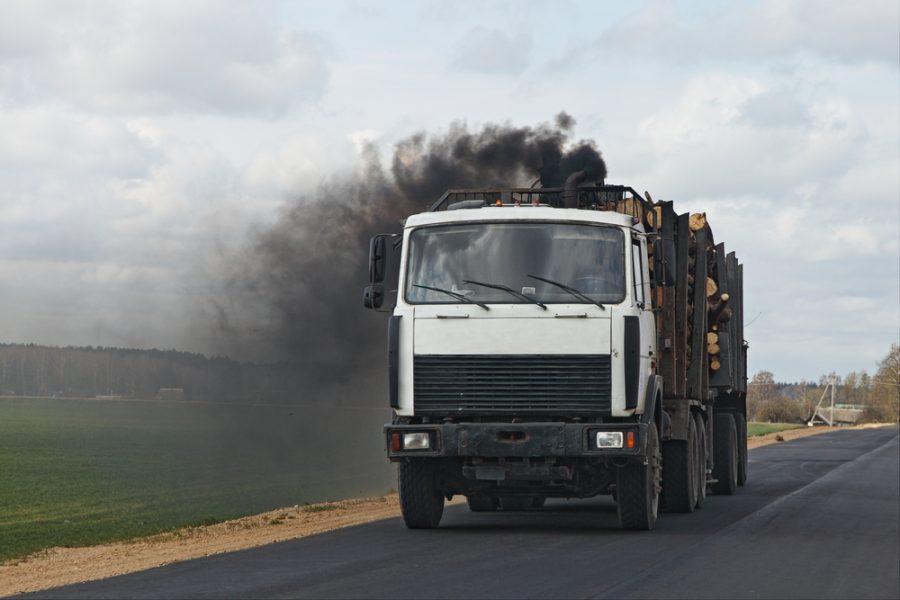
Some communities restrict engine-brake use because compression-release braking can create significant noise, particularly on trucks with modified or inadequate exhaust systems. That’s why drivers may encounter signs restricting engine braking or unmuffled engine braking in certain areas.
Restrictions can vary by jurisdiction, so drivers should pay attention to posted signs and applicable local requirements.

Jake Brake Safety and Maintenance
Like other engine components, compression-release braking systems should be inspected and maintained according to the engine manufacturer’s recommended procedures. Problems with engine performance, unusual sounds, warning indicators, or changes in braking performance should be evaluated by qualified maintenance personnel.
Drivers should also understand how the engine brake on their specific truck operates. Controls and available braking levels can vary between vehicles and engine configurations, making proper driver training and manufacturer guidance important.
Understanding Jake Brakes
A Jake brake is a compression-release engine braking system that helps slow a heavy-duty truck using the engine rather than relying exclusively on the service brakes. It’s especially useful for controlling speed on long downhill grades and reducing heat and wear on the truck’s primary braking system.
Understanding how Jake brakes work, and when to use them, is an important part of safely operating a heavy commercial vehicle. Drivers should always use engine braking according to road conditions, posted restrictions, company procedures, and manufacturer guidance.