
Whether you’re studying for your CDL test or thinking about a new role with your current trucking company, it’s good to know the different types of trucking jobs and positions out there. Not all jobs are created equal—some offer daily home time, others are all about hitting the open road. It really comes down to your goals, lifestyle and what kind of routine you’re looking for.
In this guide we’ll go through the most common types of truck driving jobs—what they’re like, who they’re for and how to find one that fits you. Whether you’re after more stability, longer hauls or the chance to haul freight for the same customers every week, there’s something here for everyone. The trucking industry offers a wide range of opportunities for drivers with different preferences and experience levels.
CDL Class A vs. Class B: What’s the Difference?
Before you can start hauling freight, you’ll need a commercial driver’s license. But not all CDLs are the same. The one you get—Class A or Class B—determines what kind of truck you’ll drive and which types of vehicles you are permitted to operate, where you’ll go and even what kind of cargo you’ll haul.
What Is a Class A?
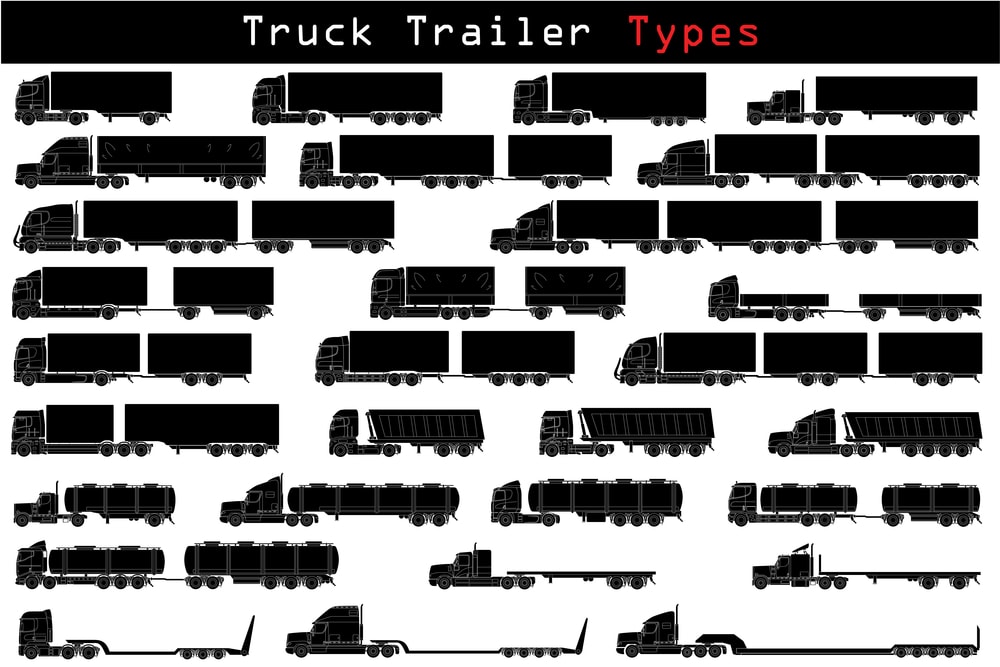
A Class A license gives you the most options. Before you can get a Class A license, you must first obtain a commercial learner’s permit. You’ll be able to drive big rigs like tractor-trailers, reefer units, tankers and flatbeds. This license is what you need if you’re looking for long-haul, OTR, or dedicated driving jobs that cover multiple regions or go coast to coast.
- You’ll haul: Trailers, tankers, flatbeds
- Used in: OTR, dedicated, and regional driving
- Where you’ll go: Cross-country, multi-state or fixed customer lanes
- Why it matters: You’ll have more jobs, bigger paychecks and long-term growth
- Class A drivers can also pursue specialized endorsements, such as for hazardous materials, to increase earning potential
To obtain a Class A license, you’ll need to pass the CDL exam. If you’re serious about a career in trucking and want to work with many customers or move into specialized hauling, there are a variety of positions available to Class A license holders.
What Is a Class B?
A Class B license is better for drivers who want to stay local. You’ll be driving straight trucks like dump trucks, buses or delivery box trucks. It doesn’t offer the same flexibility but it’s a good option if you’re not looking to travel far or stay overnight in the cab.
- You’ll haul: City loads, local freight, materials
- Best for: Home time, lighter physical demands
- Common with: Local delivery companies, utilities and transit work
If you’re changing careers or just want to dip your toe into trucking, Class B can be a good place to start.
Dedicated Truck Drivers: Same Customers, Same Routes
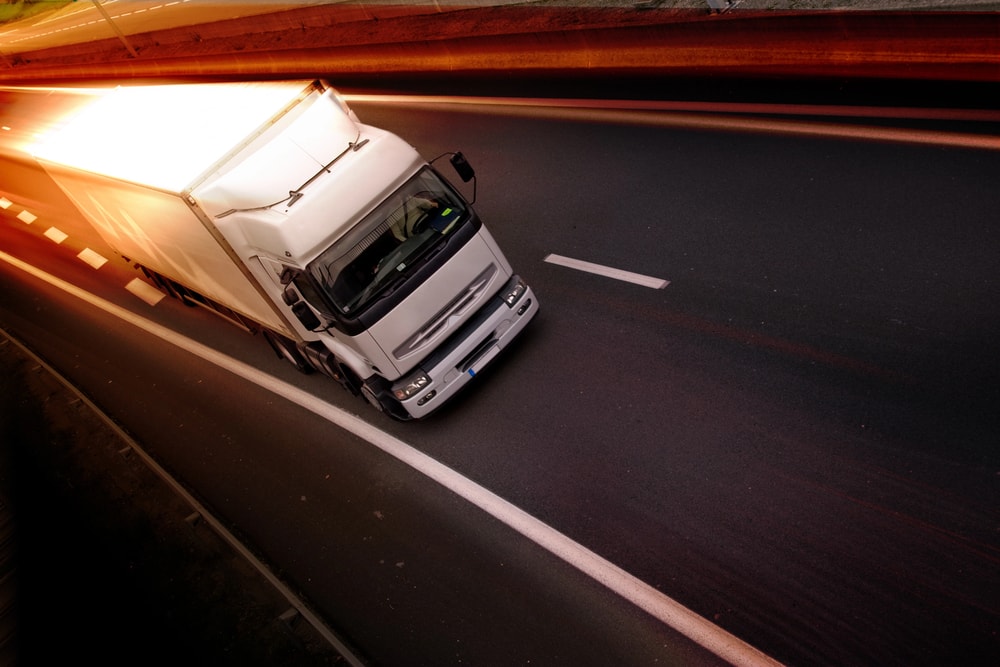
If you like a little structure in your day-to-day life, a dedicated driving role—part of dedicated trucking, a logistics service where a driver or truck is assigned to serve a specific customer or account with customized routes and schedules—might be exactly what you’re after.
These drivers work with the same customers, delivering freight, hauling the same types of freight, on the same routes—week in, week out.
A dedicated driver is someone who regularly serves the same customers, focusing on consistent service and building strong relationships.
This position offers stability and predictability that many drivers appreciate.
One major benefit of dedicated trucking is improved work-life balance and job satisfaction due to regular schedules.
Additionally, dedicated trucking can give a company a leading edge in reliability and customer satisfaction.
Why Drivers Love Dedicated Work
There are a lot of factors that drivers consider when choosing what type of career they want. Here are some of the reasons that drivers choose dedicated work.
- You’re not wondering what your next load will be
- You run familiar routes and know the traffic patterns, making your job more efficient
- You often get consistent home time—sometimes even daily
- You’re a go-to for your company and the customers you haul for
For drivers who value routine and predictability dedicated driving delivers. Dedicated drivers can focus on driving without worrying about finding loads, which improves job satisfaction and performance. It’s also a great way to build strong relationships and become a reliable part of your trucking company’s operations.
What to Expect from a Dedicated Driving Job
Every job is different, and driving is no exception. Here are some of the most common things you can expect from a dedicated job.
- You’ll likely have a dedicated truck, and dedicated drivers often operate out of specific facilities to ensure consistent routes and loads.
- You’ll learn the ins and outs of shipper docks and delivery points, including loading responsibilities as part of your daily tasks.
- Your schedule tends to be more regular
- You deal with fewer unknowns and potential hazards, and there is typically less wait time during unloading.
If you’re someone who prefers knowing what’s ahead, this is the kind of job that gives you a solid foundation and often steady, competitive pay.
Dedicated drivers may need to unload freight at delivery points and sometimes wait for unloading to be completed, depending on customer requirements.
Yard Dog Drivers: Stay Local, Stay Moving
Not everyone wants to be on the road for days at a time. That’s where yard drivers (or yard dogs) come in. These drivers work inside the distribution yard, helping move trailers between docks and staging areas.
What You’ll Do as a Yard Dog
Every company functions a little differently, but there are some things you can expect. If you’re considering a yard dog job, these are some of the most common responsibilities.
- Move trailers around the yard—no highway miles
- Do frequent drop-and-hook maneuvers
- Keep things running smoothly for shipping and receiving teams
- Communicate with warehouse staff to stay on schedule If you want a driving job that keeps you moving but lets you be home every night, yard dog work is a good choice.
Dry Van Drivers: A Solid Starting Point
For a lot of drivers dry van trucking is where it all begins. These jobs are everywhere and the work is straightforward. You’re usually hauling non-perishable goods in enclosed trailers—furniture, packaged goods or retail products.
- Gives you real-world experience managing paperwork, deliveries and downtime, while also allowing you to monitor vehicle performance for better operational efficiency.
- Comes with flexible route options—OTR, regional or dedicated, with a strong emphasis on safety in every aspect of dry van driving.
Why It’s a Great First Step
Knowing where to start can be overwhelming, especially if you’re brand new to the industry. Dry van OTR work is the most common starting place for drivers. Here are a few reasons why.
- Less physical labor—freight is usually moved by forklift
- Available through almost every trucking company
- Gives you real-world experience managing paperwork, deliveries and downtime
- Comes with flexible route options—OTR, regional or dedicated
Whether you’re fresh out of truck driving school or just getting back on the road, dry van work helps you get comfortable behind the wheel and understand how freight moves across the country.
Reefer Drivers: Haul Cold Freight, Earn Steady Pay
Refrigerated trucking—or reefer driving—is all about hauling temperature-controlled cargo and transporting perishable goods. Think frozen foods, produce and medication. These jobs carry a little more responsibility but they also tend to offer more stability and year-round demand, where efficiency is crucial due to tight delivery schedules.
What Makes Reefer Driving Unique
While reefers may seem similar to dry vans, there are some very important differences to be aware of. Here are some of the factors you will run into.
- The trailer runs even when the truck is parked
- You’ll often be on tight delivery schedules to protect the product
- Common in dedicated grocery or healthcare lanes
- Higher demand means more consistent loads
If you’re detail oriented and like a bit more challenge in your routine, reefer work could be the upgrade you’re looking for.
Intermodal Drivers: Short Hauls, Big Impact
Intermodal drivers are the bridge between rail and road. You’re usually hauling containers between rail yards and customer locations. It’s ideal for drivers who want to stay closer to home but still enjoy full-time work behind the wheel.
Why Intermodal Works for Some Drivers
- You haul pre-loaded containers—less waiting at shippers
- Routes are usually in metro areas, not cross-country
- Fewer unloading responsibilities
- Most roles come with predictable schedules and more home time
If you want the feel of a trucking job without the long distance lifestyle, this could be your lane.
Other Trucking Jobs to Consider
Trucking isn’t one size fits all. Depending on your goals, there are other driving styles to consider, including over-the-road (OTR) trucking jobs that involve traveling long distances across various regions.
Regional Drivers
Regional drivers tend to run in a specific region, like the Midwest or the Southeast.
- Home most weekends
- Mix of dedicated and variable routes
Local Drivers
Local drivers tend to stay within city or metro areas.
- Home nightly
- Short shifts with lots of stops
OTR Drivers
OTR drivers tend to run across multiple states or coast-to-coast.
- Spend weeks in the cab, but often earn more
- Work with many customers and types of freight
Whether you’re looking for benefits, flexibility or pay, there’s an option.
How to Choose the Right Trucking Job
There’s no one right answer—just what’s right for you. Ask yourself a few honest questions about your goals, family life and what kind of work you like.
Are you interested in learning more about specific trucking jobs or career paths within the industry?
If you need more information or guidance, consider reaching out to a recruiter who can help answer your questions and guide you through the process.
Start with Your Lifestyle
- Want to be home every night? → Try local or yard dog work
- Prefer a set route with some flexibility? → Dedicated or regional is a good fit
- Love the road and higher pay? → OTR is for you
Think About Freight and Equipment
- Want less physical labor? → Dry van or intermodal
- Don’t mind a little more work or tight deadlines? → Reefer, flatbed or specialty loads
Plan for Your Future
Planning for your future in trucking starts with earning your Class A CDL—it’s your ticket to more job opportunities and better pay. As you gain experience, especially in dedicated routes, new roles can open up beyond the driver’s seat, like becoming a team lead or even moving into dispatch. And when you consistently drive safely and maintain a professional attitude, it doesn’t just build your reputation—it can lead to bonuses, promotions, and long-term stability in the industry.
Choose the Job That Fits You
There’s a reason so many people stick with trucking—it’s a career with choices. You can have more home time, consistent schedules or competitive pay depending on what matters most to you.
From dedicated drivers who know every stop and customer on their route, to OTR drivers who see a new state every week, there’s a place for every kind of driver. The more you drive, the more you learn what works for you.
Pick the path that feels right and grow from there. The road’s wide open.