
Why Braking Methods Matter in Trucking
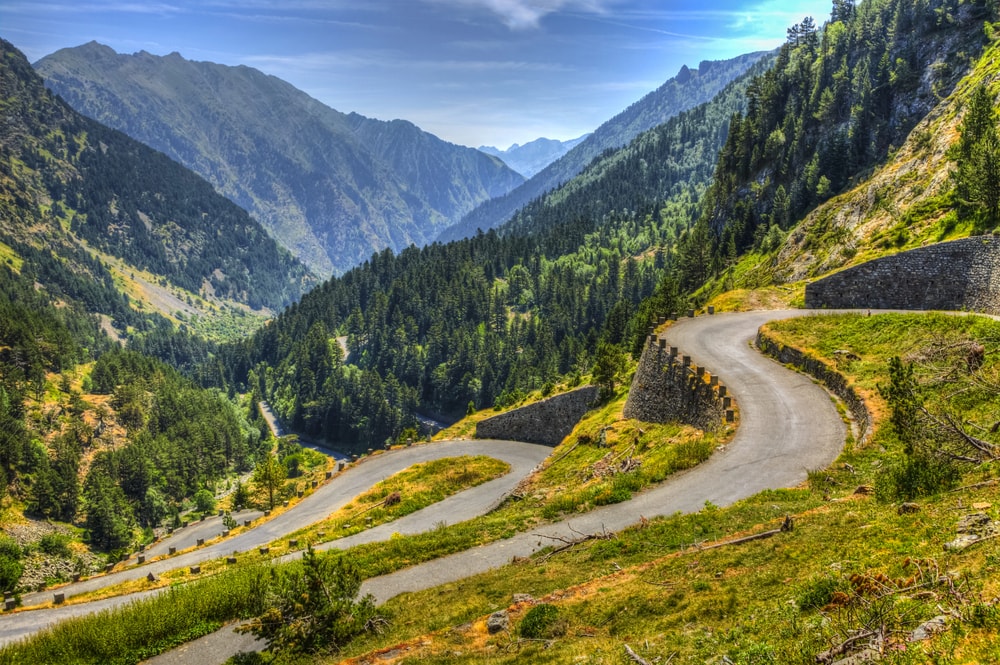
For truck drivers, knowing how to brake isn’t just a basic skill—it’s a life-saving technique, especially on steep mountain grades. When traveling downhill, the wrong braking method can overheat your brakes, reduce control, or cause total failure.
That’s where snub braking comes in. This widely recommended approach—found in the CDL manual and practiced by experienced drivers—is a controlled braking technique that protects your vehicle’s braking system, preserves your service brakes, and improves safety on mountain roads.
If you’ve ever asked, “What is snub braking?” or “When should I use it?”—this guide breaks it all down with practical tips, safety reminders, and real-world examples.
What Is Snub Braking?
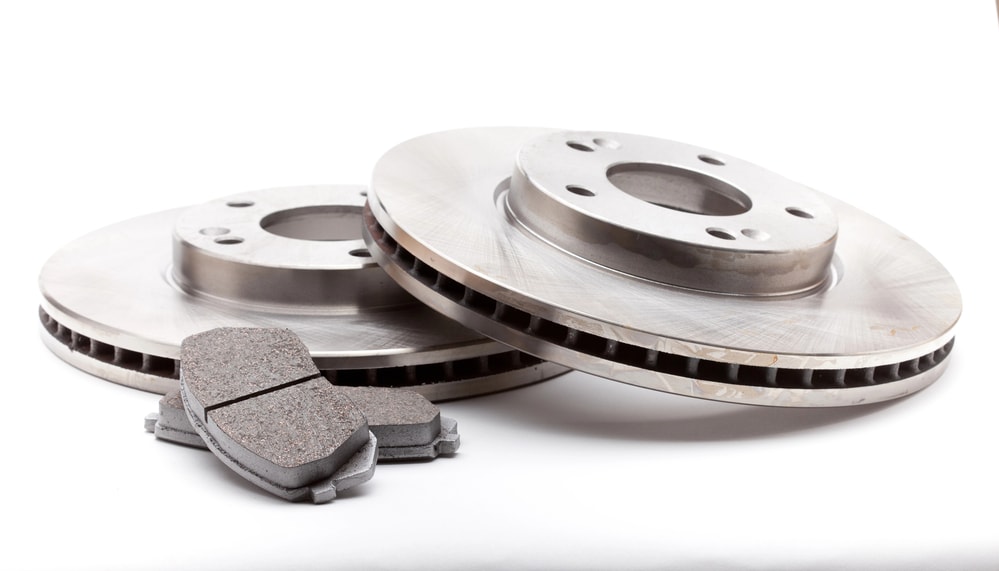
Snub braking is a braking technique used to help maintain control and avoid brake fade while descending grades. Instead of using light steady pressure on the brake pedal, drivers apply firm, steady pressure until they slow by about 5–6 mph—then release the brakes to allow the brake pads, brake linings, and air tanks to cool.
This cycle—brake, release, repeat—is designed to reduce heat and limit strain on your service brakes. Unlike continuous braking, which causes more heat and wears down components, snub braking limits damage and supports safer stops.
In short: Snub braking is a smarter way to manage speed on steep grades, especially with heavy loads, by alternating brake use and cooldown time.
It’s often called snub braking in training guides and supported by DOT best practices.
How Snub Braking Works (Step-by-Step)
Understanding the snub braking technique is essential for downhill safety. Here’s how to apply it on a steep mountain grade:
- Most importantly, start the descent in the proper gear.
- Coast or accelerate to your maximum safe speed (also known as your maximum perceived safe speed or regarded safe vehicle speed).
- Apply steady pressure to the brake pedal to reduce speed by about 5–6 mph.
- Release the brakes fully, letting the brake pads and braking system cool and reducing the risk of overheated brakes.
- Repeat the process while you descend slowly.
By following this method, you generate less heat, experience less brake fade, and keep full braking power available when you need it most.
When and Where to Use Snub Braking
Snub braking is especially useful in:
- Long or steep grades
- Mountain driving sections
- Areas with sharp curves, tight speed limits, or long descents
- Bad weather or icy conditions
- Heavy loads
Real-World Routes:
- I-70 in Colorado: Known for intense elevation changes and long descents
- West Pennsylvania: Commonly featured in mountain driving tips due to tight turns and hilly terrain
Truck drivers should refer to their company’s safety policies, the CDL manual, and DOT guidelines. Many recommend snub braking over riding the brakes or relying too much on cruise control—especially on dangerous terrain.
If you’re asking what snub braking is good for, it’s this: maintaining control, reducing wear, and preventing emergency stops.
Snub Braking vs. Jake Brake
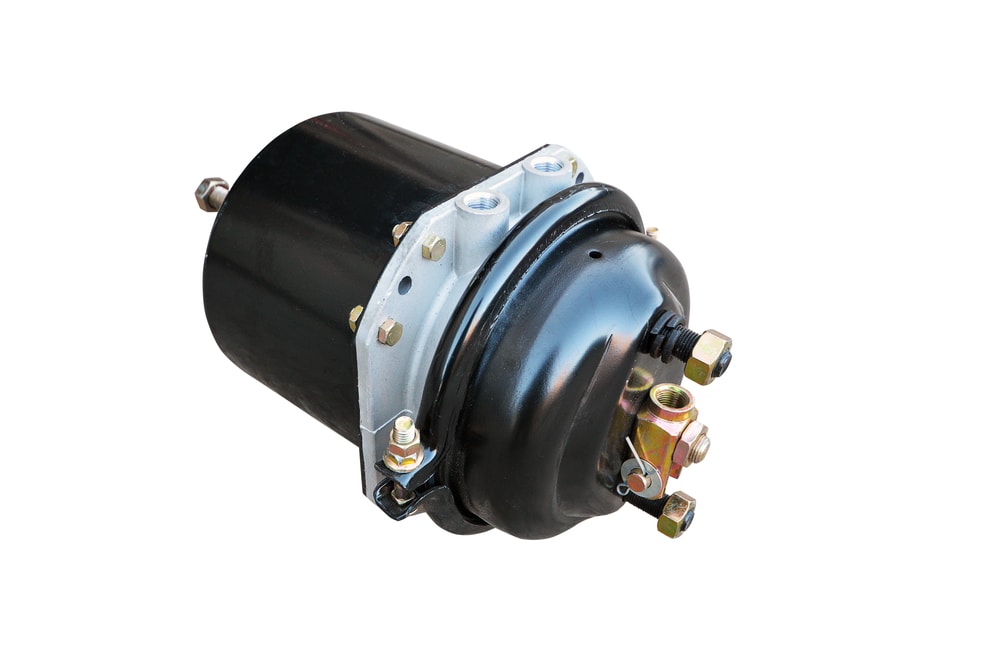
The Jake Brake, also known as an engine brake, uses engine compression to slow the truck. It works without touching the brake pedal, which means it doesn’t wear out the brake pads or overheat the service brakes. It’s an excellent tool to maintain speed—but it’s not a complete solution.
On steeper grades or with heavy loads, engine braking may not be enough. That’s where snub braking fills the gap.
Best practice: Use Jake Brakes in combination with snub braking for reliable control and less wear on your braking system.
Common Mistakes and How to Avoid Them
Even experienced drivers can make mistakes when descending mountains. Avoid these missteps:
- Riding the brake pedal: Generates heat and causes brake fade
- Exceeding safe speed limits: Reduces reaction time and increases stopping distance
- Ignoring descent mode or not shifting into low gear early enough
- Resuming cruise control on grades: Reduces control in critical moments
- Skipping safety gear: Always have hazard lights, tire chains, emergency kits, warm clothes, and extra food
These mistakes compromise safety—not just for you, but for other drivers too. Use proper braking techniques and apply driver discretion based on road, weather, and load conditions.
Tips for Mountain Driving
Safe mountain driving starts with planning—days ahead of time. Before approaching a mountain road, take these steps:
- Inspect your brakes and verify the health of your braking system
- Determine your safe descent speed based on grade and weight
- Pack a winter emergency kit: Full tank, extra food, warm clothes, flashlights, and tire chains
- Talk to your fleet manager if you’re unsure about conditions or routes
- Don’t rely solely on cruise control—be ready to downshift, brake, or pull off at a truck stop if conditions worsen
Slow, informed driving helps avoid breakdowns, missed appointments, and dangerous stops.
Why Snub Braking Should Be Every Driver’s Go-To
Every mile matters—especially when going downhill with a full trailer. Snub braking gives truck drivers better control, reduces brake fade, protects the vehicle’s braking system, and lowers the risk of failure during critical moments.
Whether you’re navigating steep mountain grades or preparing for winter driving, understanding the snub braking technique is a key part of safe driving in the trucking industry.
Use the right tools, plan ahead, and keep your braking sharp—because safety always rides with you.