

A Class B Commercial Driver’s License (CDL) is a type of commercial driver’s license designed for operating large commercial vehicles that function as a single unit, rather than full truck-and-trailer combinations.
This CDL class is commonly used for dump trucks, box trucks, garbage trucks, delivery trucks, and large buses used for passenger transport. Because these roles are typically local or regional, a Class B CDL is often chosen by drivers who want predictable schedules, local routes, and a long-term career in the transportation industry without long-haul travel.
Class B CDL Weight Limits and Towing Rules
A Class B CDL (CDL B license) allows drivers to operate a single commercial vehicle with a gross vehicle weight rating (GVWR) over 26,000 pounds. Drivers may also perform vehicle towing as long as the towed trailer does not exceed 10,000 pounds GVWR.
Unlike a Class A CDL, Class B drivers are restricted from operating combination vehicles, including tractor trailers, double and triple trailers, and most commercial trailer combinations. Instead, Class B drivers typically drive straight trucks or other heavy commercial trucks with two or more axles.
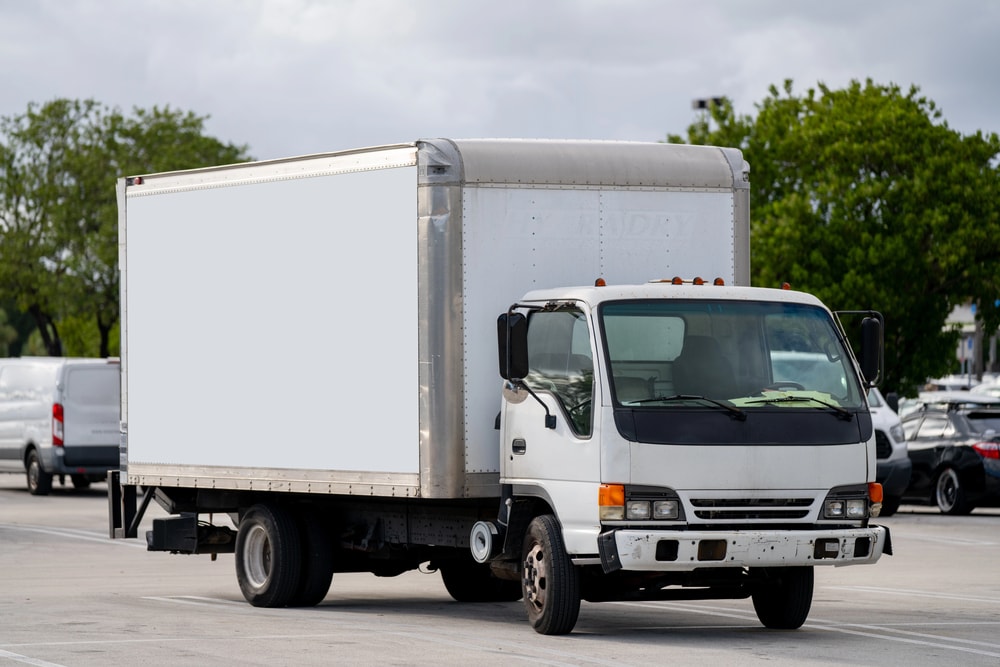
Typical Class B Vehicles
Common Class B vehicles include:
- Straight trucks
- Box trucks
- Dump trucks
- Garbage trucks
- Delivery trucks
- City buses & large buses
- School buses operated by properly licensed school bus drivers
- Passenger vans (with the right endorsements)
These commercial vehicles are pretty widely used in construction, municipal services, utilities and local freight or passenger work.
What Does a Class B CDL Allow You to Drive?
A Class B CDL lets you drive large commercial vehicles that are just a single vehicle, rather than some trailer combination. Because of that, Class B roles often come with shorter driving ranges, more local routes and daily home time.
Typical driving jobs for class B CDL drivers include things like:
- Hauling material with a dump truck
- Local freight distribution using a box truck
- Waste collection with a garbage truck
- Passenger transport on a city or school bus
- Utility and service work using heavy commercial trucks
Some Class B drivers also drive tankers or transport hazardous materials, but that’s only with the proper CDL endorsements, like a hazmat endorsement or tanker endorsement.
What Is a Class A CDL?
A Class A CDL (CDL A) is needed for long haul truck driving, interstate freight and operating truck and trailer combinations. Class A drivers can operate so many different types of equipment, they generally have access to more job opportunities and higher earning potential.
Lots of drivers start their truck driving careers with a CDL B license, then go on to get a Class A as their career goals change. Others just stick with Class B long term, especially if they’re prioritizing local routes, more predictable schedules and a bit of job stability.
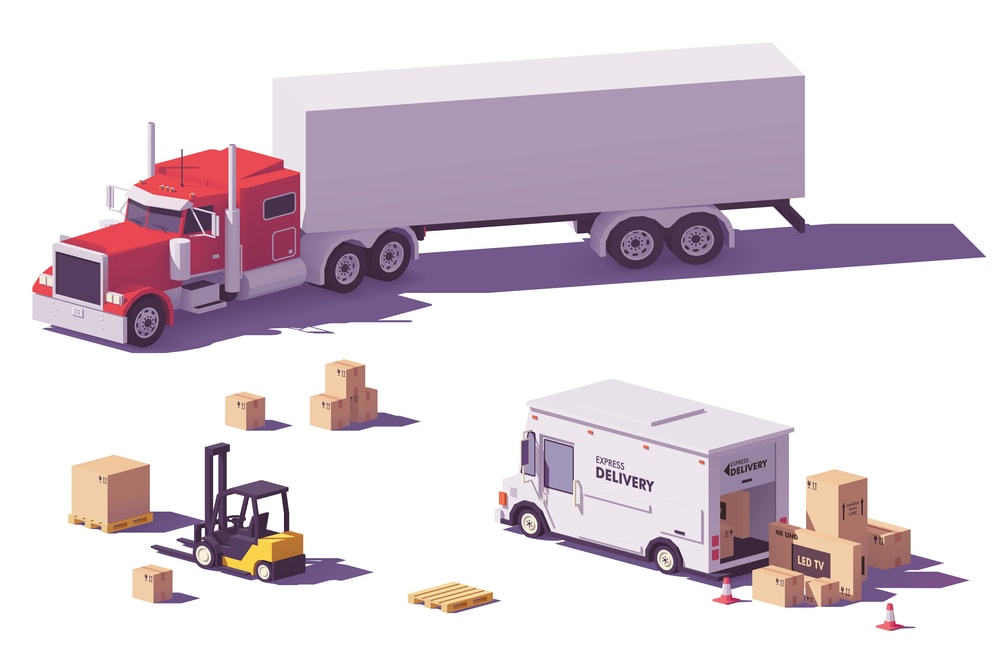
What’s the Difference Between CDL A and B?
Knowing the difference between CDL A and B is one of the most important things in choosing the right CDL for yourself.
A Class A CDL lets you drive combination vehicles with a Gross Combination Weight Rating (GCWR) of 26,001 pounds or more, provided the trailer itself is over 10,000 pounds. That includes tractor trailers, livestock carriers, and most other types of commercial trailers used in long haul freight.
A Class B CDL on the other hand limits you to operating single vehicles over 26,000 pounds and small trailers under 10,000 pounds. And Class B drivers aren’t permitted to operate double or triple trailers, or most tractor trailer buses.
CDL Endorsements and Specialized Driving
Both Class A and Class B CDL drivers can get CDL endorsements to let them operate different types of vehicles or goods.
Common endorsements for Class B include:
- Passenger endorsement for buses and passenger vans
- School bus endorsement
- Hazmat endorsement for transporting hazardous materials
- Tanker endorsement for tanker vehicles and small hazmat vehicles
Drivers who are hauling hazardous cargo need to stick to the Hazardous Materials Transportation Act and get some extra training and background checks as well.
CDL Training and Licensing Process
CDL licenses need a federally mandated CDL training course. This includes getting Entry-Level Driver Training (ELDT) from an approved school.
A typical CDL Training Program for a Class B CDL involves:
- Classroom sessions on trucking regulations, safety on the road, & how to drive a truck
- Training on things like keeping up with traffic, speed control, and air brakes
- Getting hands-on practice driving commercial vehicles
- Doing vehicle checks to make sure everything is safe and working right
- Having a medical check-up by the DOT and a test of your driving skills on the road
Compared to Class A training, Class B CDL Training is shorter and less in-depth. This means you can get into the workforce faster.
Is a Class B CDL a Good Fit for Your Commercial Driving Career?
A Class B License is often a good fit for drivers who:
- Prefer driving around town over being on the road for a long time
- Want a job with a more consistent work schedule and a better work life balance
- Are interested in construction, delivering stuff or taking people places
- Want to get into commercial driving fast and start working sooner
- Are looking for a steady job with plenty of security without having to be away from home all the time
Even though Class B drivers often earn less than Class A drivers, many find they have a more stable career in roles like driving for the city, a utility company, or a delivery service.
Key Takeaways
- With a Class B CDL you can drive single big rigs over 26,000 pounds
- As for towing, you’re limited to trailers under 10,000 pounds
- Class B drivers don’t drive tractor-trailers or triple-trailer rigs
- CDL endorsements can open up more job possibilities without needing to upgrade to a higher level CDL
- The CDL you choose really impacts what your truck driving career looks like in the long run
Ultimately choosing between CDL A & CDL B comes down to the kind of vehicles you want to drive, the kinds of routes you want to drive on, and how you see yourself doing over time in your commercial driving career.