
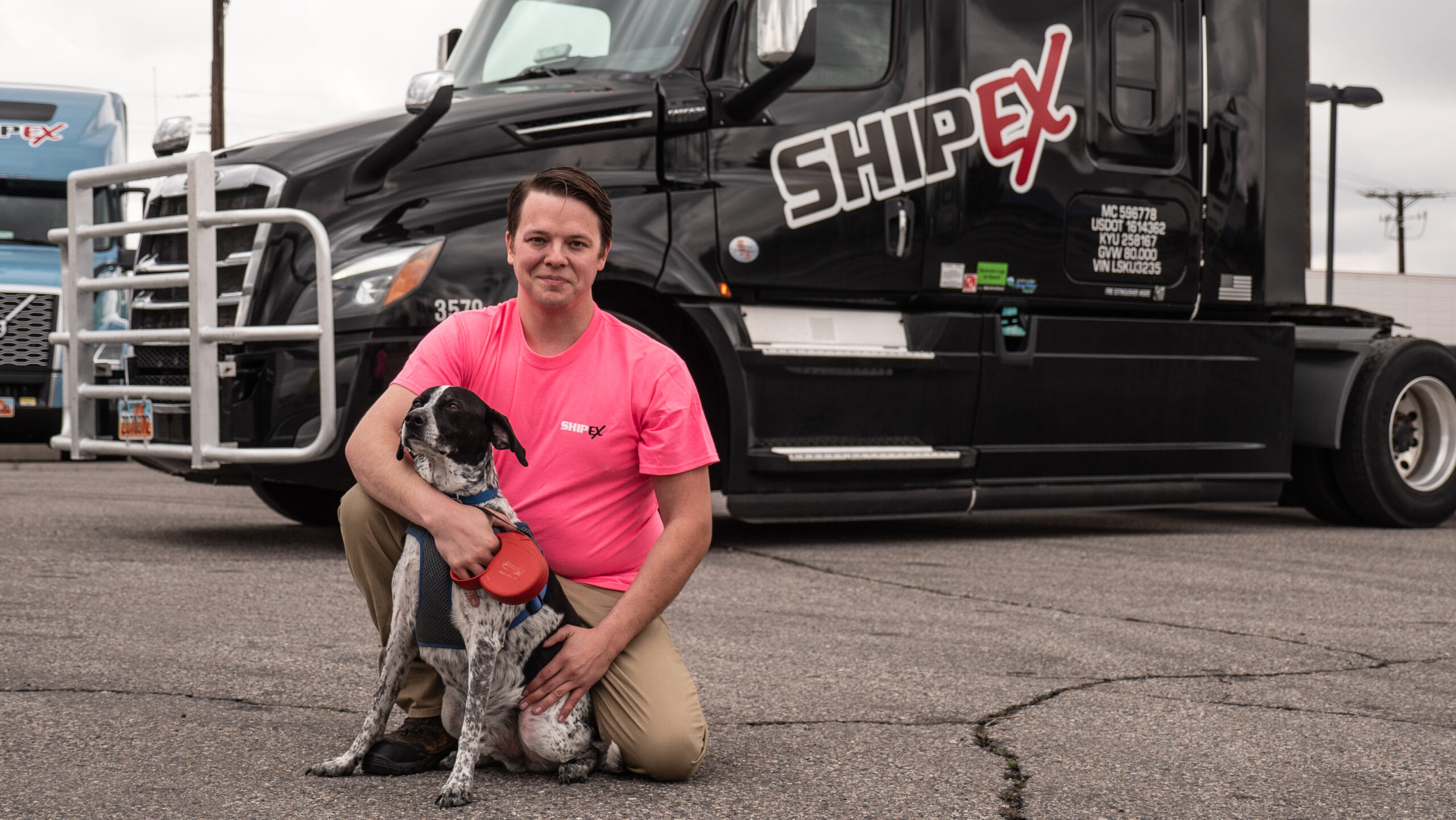
Introduction
For truck drivers who spend days or weeks on the road, the right pet can provide companionship while adopting comfortably to life in a semi-truck. Dogs are one of the most common choices, but cats can also make good road companions depending on the driver’s schedule, available cab space, and the animal’s temperament.
The best pets for truck drivers are typically those that can adjust to changing environments, long periods of travel, and limited space. Size matters, but so do energy level, exercise needs, trainability, and overall temperament.
In this guide, we’ll look at some of the best dog breeds for truck drivers, whether cats are suited for life on the road, and what drivers should consider before bringing a pet into their truck.

What Makes a Good Pet for a Truck Driver?
Not every pet is well suited for life in a semi-truck. Before bringing a pet on the road, drivers should consider whether the animal’s needs and temperament are compatible with long periods of travel and a smaller living environment.
Some of the most important factors include:
- Size: Smaller pets generally require less cab space, but size alone shouldn’t determine whether an animal is a good fit.
- Energy level: High-energy animals may require more frequent exercise stops, while lower-energy pets may adapt more easily to long periods in the truck
- Temperament: Pets that are calm and comfortable with changing environments may have an easier time adjusting to truck stops, unfamiliar locations, and life on the road
- Trainability: A well-trained pet is easier to manage around the truck, at rest areas, and when interacting with other people or animals.
- Exercise needs: Drivers need to be able to provide enough activity and bathroom breaks without interfering with their driving schedule.
- Travel adaptability: Some animals handle vehicle movement, changing environments, and unfamiliar sounds better than others.
The right pet ultimately depends on the individual animal and the driver’s lifestyle. Breed characteristics can provide a useful starting point, but personality, training, age, and previous travel experience should also be considered.

Best Dog Breeds for Truck Drivers
Dogs can make excellent companions for truck drivers because they’re social, trainable, and often able to adjust to changing environments. However, the best dog for a truck driver isn’t necessarily the smallest breed. Temperament, energy level, exercise requirements, and the amount of available cab space all matter.
Here are several dog breeds that may be well suited for truck drivers depending on the driver’s schedule and lifestyle:
| Dog Breed | Size | Energy Level | Why It Can Work for Truck Drivers |
|---|---|---|---|
| Labrador Retriever | Medium–Large | Moderate–High | Social, trainable, and adaptable |
| German Shepherd | Large | High | Loyal, intelligent, and alert |
| Shih Tzu | Small | Low–Moderate | Compact with manageable exercise needs |
| Chihuahua | Small | Moderate | Requires little cab space and is easy to travel with |
| Miniature Pinscher | Small | High | Compact but active and energetic |
| Dachshund | Small | Moderate | Small, social, and adaptable |
Labrador Retriever
Labrador Retrievers are social, intelligent, and highly trainable, which can make them good road companions. Their friendly temperament can also help them adjust to the different people and environments drivers encounter while traveling.
However, labs are larger dogs and need regular exercise. Drivers considering a Labrador should make sure they have enough cab space and time for walks and activity throughout the day.
German Shepherd
German Shepherds are intelligent, loyal, and highly trainable. Their natural alertness may also appeal to drivers who appreciate having a dog that is aware of unfamiliar people or activity around the truck.
Because German Shepherds are large, active dogs, they require considerably more exercise and space than smaller breeds. They may be better suited to drivers who can consistently provide exercise during stops.
Shih Tzu
The Shih Tzu’s smaller size makes te breed easier to accommodate in a truck cab. Their exercise requirements are also generally more manageable than those of larger, high-energy breeds.
For drivers looking for a smaller companion that doesn’t require extensive daily exercise, a Shih Tzu may be worth considering.
Chihuahua
Chihuahuas take up every little cab space and are relatively easy to transport, making their size an obvious advantage for truck drivers. Individual temperament can vary considerably, however, so training and socialization are especially important for a dog that will regularly encounter unfamiliar people, noises, and environments.
Miniature Pinscher
Miniature Pinschers offer the space advantages of a small dog but tend to have considerably more energy. They can be a good fit for drivers who want an active companion and are able to provide regular opportunities for exercise.
Dachshund
Dachshunds are small enough to live comfortably in limited spaces and can make affectionate travel companions. Their size makes them easier to accommodate in a truck, although drivers should still plan for regular exercise, bathroom breaks, and mental stimulation.
Puppies vs. Adult Dogs for Truck Drivers
Drivers considering a puppy should also account for the additional time required for house training, socialization, supervision, and more frequent bathroom breaks. An adult dog that is already trained and comfortable traveling may be easier to introduce to the trucking lifestyle.
Regardless of breed or age, the best truck dog is ultimately one whose individual temperament, exercise needs, and behavior are compatible with the driver’s schedule and available space.

Are Cats Good Pets for Truck Drivers?
Cats can also make good companions for truck drivers, particularly because they generally require less outdoor exercise than dogs and can adapt to smaller living spaces. They can use a litter box inside the truck and don’t require outdoor bathroom breaks throughout the day.
However, whether a cat will enjoy life on the road depends heavily on the individual animal. Some cats adjust well to vehicle movement, changing environments, and unfamiliar sounds, while others may find frequent travel stressful.
Drivers considering a cat should look for a calm temperament, comfort with travel, and the ability to adapt to a consistent routine inside the truck.
Best Cat Breeds for Truck Drivers
There isn’t one cat breed that’s automatically best for life in a semi-truck. Individual temperament is particularly important. However, breeds known for being social, adaptable, or relatively easygoing may be worth considering.
Potential options include breeds such as the American Shorthair, British Shorthair, Ragdoll, and Maine Coon, although size, personality, grooming needs, and the individual cat’s comfort with travel should all factor into the decision.
Before taking any cat on the road full time, drivers should introduce the animal to the truck gradually. Starting with time in the parked cab followed by shorter trips can help determine whether the cat is comfortable traveling before attempting longer hauls.
Kitten vs. Adult Cats on the Road
Kittens require more supervision, training, and attention than many adult cats. For some drivers, an adult cat that is already litter trained and has a calm temperament may be easier to introduce to life in a truck. Regardless of age or breed, drivers should prioritize the individual cat’s behavior and comfort with travel rather than choosing a pet based on breed alone.
How to Pet Proof Your Truck
Before brining a pet on the road, drivers should prepare the truck so the animal has a safe and comfortable place to travel, sleep, eat, and relax.
Secure loose items. Items that shift or fall while the truck is moving can injure a pet. Keep loose equipment and personal belongings secured and away from areas where your pet will spend time.
Create a designated space. Give your pet a consistent place to sleep and relax, such as a pet bed, blanket, carrier, or other secure area of the cab.
Keep your pet secure while driving. Pets shouldn’t be able to interfere with the driver’s ability to safely operate the truck. Appropriate restraints, carriers, or barriers can help keep pets away from pedals and other driving controls.
Plan for temperature changes. Truck cabs can heat up or cool down quickly when climate control isn’t running. Drivers should plan ahead to ensure pets remain in a safe environment during stops and changing weather conditions.
Carry food, water, and basic supplies. Keep enough food and fresh water available for the trip, along with bowls, waste bags or litter supplies, medications, toys, and other necessities.
Prepare for stops away from the truck. A leash, harness, identification tag, and other appropriate equipment can help keep pets secure when they’re outside the cab.
Drivers bringing a pet out for the first time can also learn more about preparing a semi-truck cabin for pets.
Check out our blog to learn more about how to prepare your cabin for your pets!

Life on the Road with Your Pet
Once a pet is comfortable in the truck, consistency can make life on the road easier for both the driver and the animal.
Plan regular stops that give dogs an opportunity to exercise and use the bathroom. Whenever possible, choose safe areas away from moving trucking and heavy traffic. Cats and other pets will have different needs, so drivers should establish a routine appropriate for their individual animal.
Maintaining consistent feeding, exercise, bathroom and sleeping schedules can also help pets adjust to life on the road. Drivers should monitor changes in behavior, appetite, or comfort that could indicate their pet isn’t adapting well to travel.
Before leaving a longer trip, make sure you have enough food, water, medications, identification, and other supplies for both the planned route and unexpected delays.
For more information on how to care for your furry friend on the road, check out our resource!

Training and Socialization Tips
Training your pet for life on the road as a truck driver requires specific considerations to help them adjust to the trucking lifestyle. Start by getting your pet used to the truck environment; let them explore the cab while stationary and gradually introduce them to the engine sounds and vibrations. Short drives will help them get used to the movement and sounds of the truck, then gradually increase the duration of these trips to get them comfortable with longer hauls. Get your pet familiar with different terrains and weather conditions they will encounter on the road to help them adjust and reduce stress during actual trips.
For truck drivers socialization is especially important since your work is transient. Your pet should be comfortable and calm around new people and other animals since you’ll be meeting different people and possibly their pets at truck stops and during your breaks. Introduce your pet to different people in controlled settings to boost their confidence and calmness around strangers. Make sure your pet is well-behaved and not aggressive towards other animals so stops are more enjoyable and less stressful. Socialization will not only benefit your pet but also make interactions on the road smoother.

Looking for a Pet-Friendly Trucking Company?
Pet policies vary between trucking companies. Some carriers restrict the type, breed, or size of pets drivers can bring with them, while others may require an additional pet deposit or fee.
ShipEX is a pet-friendly trucking company with a free pet policy, allowing drivers to bring an approved pet on the road without paying an additional pet fee.
Frequently Asked Questions
What is the best dog breed for a truck driver?
There isn’t one dog breed that’s best for every truck driver. Smaller breeds such as Shih Tzus, Chihuahuas, and Dachshunds can be easier to accommodate in a truck cab, while larger breeds may also make good companions if the driver has sufficient space an can meet their exercise needs. Temperament, energy level, training, and adaptability are more important than size alone.
Can truck drivers bring dogs in their trucks?
Many trucking companies allow drivers to bring dogs or other pets in their trucks, but pet policies vary by carrier. Drivers should check their company’s rules regarding pet type, size, breed restrictions, deposits, and other requirements.
Are cats good pets for truck drivers?
Cats can be good companions for truck drivers because they generally require less outdoor exercise than dogs and can use a litter box inside the truck. However, individual temperament matters because not every cat is comfortable with frequent travel or changing environments.
Is a puppy a good pet for a truck driver?
A puppy can travel with a truck driver, but puppies generally require more supervision, training, exercise, and bathroom breaks than adult dogs. Drivers should consider whether their work schedule allows enough time to meet those additional needs.
What should truck drivers consider before bringing a pet on the road?
Consider the pet’s size, temperament, energy level, exercise requirements, training, comfort with vehicle travel, and ability to adapt to a smaller living environment. Drivers should also confirm that their trucking company’s pet policy allows the animal.
Finding the Right Pet for Life on the Road
The best pet for a truck driver depends less on finding one specific breed and more on finding an animal whose temperament, energy level, size, and needs fit the trucking lifestyle.
Dogs remain a popular option, while cats can offer a lower-maintenance alternative for drivers whose pets are comfortable traveling. Whichever companion you choose, proper preparation, training, and a consistent routine can help make life on the road safer and more comfortable for both you and your pet.